
All ecolabels
Alphabetical index of 456 ecolabels.
A B C D E F G H I J K L M N O P Q R S T U V W X Y Z

|
4C AssociationThe 4C Association is a multi-stakeholder organization that brings together actors that are committed to addressing the sustainability issues of the coffee sector in a pre-competitive manner. The members of the 4C Association include coffee farmers (both big and small), traders (importers and exporters), industry players (coffee roasters and retailers) and civil society (non-governmental organizations, …
|
|
80 PLUSThe original premise of the 80 PLUS program was to enlist utilities and computer manufacturers to participate in an innovative upstream buy-down program to integrate more energy-efficient power supplies into desktop computers. The program has now evolved into the Ecos Plug Load Solutions program, which promotes and incents a broad array of highly energy-efficient commercial and retail technologies. |
|
AB (Agriculture Biologique)France's national logo for organic products since 1985. Organic products carrying the logo must contain more than 95 percent organic components, and be produced or processed within the EU, and were certified by one of the inspection bodies accredited according to EN 45011. L'Agence Bio began managing and promoting the label in 2008. |
|
ABIOAssociação de Agricultores Biológicos do Estado do Rio de Janeiro is providing certification of organic farming. Criteria of the ABIO have been developed based on the parameters of the International Federation for Organic Agriculture Movements - IFOAM. The ABIO certfied farms are inspected on a continuous basis. Farming sites, their products, water and soiles are sampled and undergo laboratory …
|
|
ABNT EcolabelABNT Ecolabel is a life cycle based ecolabel that is a voluntary method of environmental performance certification and labelling for products and services in Brazil. It is run by the Associacao Brasileira de Normas Tecnicas (ABNT) (the Brazilian Association of Technical Standards) and is a member of the Global Ecolabelling Network. ABNT is also a certification body accredited by Inmetro …
|
|
AENOR Medio AmbienteType I ecolabel system aimed at recognizing environmental friendly products or services. Certification procedure based on auditing and labs test. The program will mark those products with less environmental impacts. It is mainly oriented to consumer products. |
|
AfOR Compost CertifiedThe AfOR compost certification rules highlight the circumstances under which compost can be considered a ‘product’ and when it is regarded as ‘waste’ and remark that any composts sold in England and Wales for any use must comply with the PAS 100 & CQP (the British Standards Institution's Publicly Available Specification for Composted Materials and the Environment Agency and Waste and …
|

|
Afrisco Certified OrganicOrganic production standards and certification for South Africa accredited by IFOAM. |
|
AIAB (Italian Association for Organic Agriculture)Italian Association for Organic Agriculture's certification. They certify organic products and companies in a broad range of categories, including:
|
|
AISE Charter for Sustainable CleaningThe Charter for Sustainable Cleaning is a voluntary initiative for the European soap, detergent, and maintenance products industry, managed by the Association for Soaps, Detergents and Maintenance Products (AISE). The aim is to encourage the whole industry to undertake continual improvement in terms of sustainability and also to encourage consumers to adopt more sustainable ways of doing their washing, …
|
|
AMA BiozeichenEstablished by the Ministry of Agriculture as a unique label for the different organic food producers’ associations. It is only given for food produced by organic farming. There are two versions of the label, one without specification of the origin (black label) and one with specification of the origin (red label). |
|
American GrassfedThe American Grassfed Association (AGA) certification identifies food and agriculture products which meet the standards as set forth in the AGA Grassfed Ruminant Standards and certified through a program approved by the AGA. The logos and design marks may only by used by those who have an approved signed license agreement with the American Grassfed Association. Grassfed products are defined …
|
|
ANAB - Architettura NaturaleA certification scheme that assesses the sustainability of building products and furniture.To qualify, building materials must be made primarily from renewable virgin resources, mineral resources and secondary resources for which recycling is logistically and energetically feasible. They are made from raw materials which are preferably obtained locally; they derive from a production process which …
|
|
Animal Welfare ApprovedAnimal Welfare Approved (AWA) is a standard for farm animal welfare - the basic premise is that animals must be able to behave naturally and be in a state of physical and psychological well-being. The standard:
|

|
Aquaculture Stewardship CouncilThe Aquaculture Stewardship Council (ASC) offers standards for aquaculture and for the seafood chain of custody. The standards are being developed by the Aquaculture Dialogues in compliance with the guidelines for standard setting established by the International Social and Environmental Accreditation and Labeling Alliance (ISEAL). The certification according to these standards …
|
|
Arge TQA guide and rating system resulting in a certificate for the assessment of building quality, in terms of Summary project description and issue level results of the evaluation:
|
|
AsureQuality Organic StandardThe AsureQuality Organic Standard is based on internationally recognised guidelines and is accredited by the International Federation of Organic Agriculture Movements (IFOAM). |

|
Audubon InternationalAudubon International's environmental and sustainability education and certification programs require individuals responsible for the membership type to meet specific environmental or sustainability performance requirements. Standards currently exist for communities, neighborhoods, new land developments, land development renovations, schools, businesses, golf courses, and lodging facilities. |
|
Australian Certified OrganicACO provides certification services to operators from all sectors of the organic industry. Certification ensures compliance with national production standards and allows trace back of all products to their origin. |

|
Australian Forest Certification SchemeEnables users and consumers of timber and wood-based products to be assured that the origin of timber or wood-based products are derived from sources that have been independently, third-party certified from sustainably managed forests. The Australian Forest Certification Scheme covers both forest management (FM) and chain of custody (CC) certification. |
|
AvoGreen®AvoGreen® is a Pest Monitoring programme with an auditable avocado production system based on the principles of Integrated Pest Management (IPM). The programme aims to keep pest populations at levels below those that can cause economic loss and with careful monitoring and trace-back systems provide overall quality and safety assurances to all customers. |
|
B CorporationB Corporations are a new type of corporation which uses the power of business to solve social and environmental problems. B Corporations are unlike traditional responsible businesses because they meet comprehensive and transparent social and environmental performance standards, institutionalize stakeholder interests, and build collective voice through the power of a unifying brand. B Corporations' …
|
|
BASF Eco-EfficiencyBASF SE has developed a label for products that have been evaluated by an Eco-Efficiency Analysis. The awarding of the label is dependent on demanding requirements: After conclusion of the analysis a third party evaluation (peer review) is requested. Furthermore, publication of the results of the analysis will be undertaken via internet. The label can be carried on for three years. After …
|
|
BASS (Product inventory for the construction industry)BASS is an online tool to help companies to meet regulatory requirements associated with the use of chemicals in the workplace/projects. Since its establishment in 2001, BASS developed to become the industry standard in the construction industry in Norway. Since 2009, BASS includes the auto industry. Development of the BASS is done in close cooperation with business, and provides …
|
|
BASTAThe BASTA system focuses on hazardous substances in construction and building products. Products are assessed according their chemical ingredients. Suppliers are responsible for the assessment, and are required to:
Declare contents - The supplier must have detailed knowledge of the product´s chemical composition;
Provide supporting documentation - The supplier must be able to provide …
|
|
Bay Area Green BusinessThe Bay Area Green Business Program distinguishes small businesses that protect, preserve and sustain our environment. The partnership of environmental agencies and utilities assists, offers incentives, and verifies that participating businesses conserve energy and water, minimize waste, prevent pollution, and reduce their carbon footprints. |
|
BelugaBeluga’s objective is to improve quality of life by promoting environmental conservation and ecologically sustainable development. We do this by arousing interest in environmental issues in collaboration with the government and government ministries, municipalities, companies and individuals. A good environmental policy leads to improved well being of employees, a stronger image of companies and …
|
|
Best Aquaculture PracticesThe Best Aquaculture Practices Certified (BAP Certified) mark on retail packaging tells consumers that seafood came from BAP certified aquaculture facilities. The Best Aquaculture Practices standards, developed by the Global Aquaculture Alliance, form the basis for BAP certification. The standards specifically protect biodiversity and worker rights within a program that addresses environmental, …
|
|
Better Cotton InitiativeThe Better Cotton Initiative (BCI) promotes a comprehensive set of production principles and criteria for growing cotton in a more sustainable manner: socially, environmentally and economically. A member-based organisation made up of players from the entire cotton supply chain, BCI had its first harvest of “Better Cotton” in 2010. BCI currently has a system in place to trace Better Cotton from …
|

|
Better Environmental Sustainability Targets (BEST) Standard 1001The Better Environmental Sustainability Targets (BEST) certification provides recognition for lead battery manufacturers that meet minimum emission standards and agree to take back used batteries for environmentally sound recycling. The objective is to reduce emissions from lead battery plants and recyclers, and prevent lead poisoning through an incentive program for these companies. |
|
BIO HellasBIO Hellas is an accredited certification body that provides Inspection and Certification services for the organic products according to:
Also provides inspection services for the organic products according to:
|

|
BIO HotelsThis certification covers organic and regional products in Hotels. BIO Hotels uses only organic certified products that meet the standard of Bioland or similar ecolabels. Up to three exceptions are allowed. For wild harvesting exceptions are generally allowed but the product must be sustainably certified. For beverage the standard is also only organic quality. Up to three exceptions …
|

|
Bio QuebecThe presence of the BIO Québec logo on products ensures that these products have been certified according to the Québec Organic Reference Standards, a set of requirements developed for Québec businesses, and guarantees that the products contain at least 95% ingredients of organic origin. |
|
Bio SuisseIndicates fully organic, produced in Switzerland. More than 90% of the raw materials come from Switzerland. |
|
Bio-SiegelAll agricultural products produced according to the requirements outlined in the EU Regulation on Organic Farming , as referenced in the German Organic Food Labelling Act, are permitted to use the Bio-Siegel label. At least 95% of of the agricultural ingredients contained in processed products must come from organic production. |
|
BIODARBiodar produced foodstuffs are the harvest and products produced on Slovenian farms operated according to international IFOAM basic standards. |
|
BioForum Biogarantie and EcogarantieBiogarantie ® is a Belgian organic label. It is also recognised at the European level but puts more stringent conditions, for example, by prohibiting the use of nitrite salts in meat products. Additional standards are developed under the Biogarantie ® specifications for areas not yet covered by European Regulation 834/2007 such as catering, pet food and textiles. Ecogarantie ® is the …
|
|
BioGro New ZealandOrganic producer and consumer organisation actively working to grow organics in New Zealand. Developed over twenty-five years especially for New Zealand organic producers the BioGro NZ Organic Standards are practical and achievable. |
|
BiokreisThe Biokreis is a non-governmental organisation. Its goals are:
|
|
BiolandBased on the organic-biological method the Bioland farmers gave themselves organic farming standards, which they continuously maintained, adapted and developed, so that it now includes all aspects of a modern ecological agricultural production, animal husbandry as well as food processing. All Bioland members and contract partners submit to the Bioland inspection system. The compliance with the Bioland …
|
|
Bird Friendly CoffeeIdentifies and verifies through third-party, independent inspection and certification that coffee has been grown using shade management practices that provide good bird habitats. Shade characteristics must meet science-based criteria developed from ornithological field work. Only allows organic certifiers to issue the Bird Friendly label on organically certified coffees. |
|
Blue AngelThe Blue Angel was initiated by the German government and awarded by an independent Jury to products that are environmentally friendlier than others serving the same use. Each label specifies that the product or service focuses on one of four different protection goals: health, climate, water, and resources. The Blue Angel Standard is managed by four entities:
|

|
Blue FlagAn ecolabel awarded to over 3200 beaches and marinas in 36 countries across Europe, South Africa, Morocco, New Zealand, Canada and the Caribbean in 2006. |

|
bluesign® standardThe bluesign® standard brings together the entire textile manufacturing chain to
jointly reduce the ecological footprint of a responsibly acting textile industry. Instead of focusing on finished product testing, the bluesign® standard analyzes all input streams – from raw materials to chemical components, to resources – with a sophisticated “Input Stream Management” process. Prior to production, …
|
|
BMP Certified CottonBMP is the Australian cotton industry’s guide for growing cotton in harmony with our natural environment. The Australian BMP Cotton trademark is a consumer guarantee that the branded textile product they are buying is made of Australian cotton grown under Best Management Practices by growers who care for our environment. |
|
BOMA Go Green - BOMA BEStBOMA BESt (Building Environmental Standards) is a national program managed by BOMA Canada to address an industry need for realistic standards for energy and environmental performance of existing buildings based on accurate, independently verified information. |

|
BonsucroBonsucro is a multi-stakeholder association established to reduce the environmental and social impacts of sugarcane, by designing a Standard and program to transform the sugarcane industry. Bonsucro certified sugarcane products, processes and services will soon be available for purchase. Bonsucro certified products and companies will be third-party verified by Bonsucro's Standard, which provides …
|
|
BRE Global Certified Environmental ProfileEnvironmental profiles measure the impacts of a construction material, product or building system throughout its life – not only during its manufacture, but also its use in a building over a typical building lifetime. This includes its extraction, processing, use and maintenance and its eventual disposal. The Environmental Profiles Methodology assesses environmental indicators that reflect …
|

|
BREEAMBREEAM (BRE Environmental Assessment Method) is an environmental assessment method for buildings around the world. BREEAM provides clients, developers, designers and others with
|
|
British Allergy Foundation Seal of ApprovalEndorsement scheme for a wide range of products (from air conditioners and bedding to cars and cleaning products) which specifically restrict or remove high levels of named allergens from the environment. |
|
British Columbia Certified OrganicThe Green Checkmark logo with the words British Columbia Certified Organic can only be used by producers and processors who have been certified to the British Columbia Certified Organic Program. The standards are the National Canada Organic Standards. |

|
Built GreenBuilt Green promotes and recognize environmentally responsible residential home construction and renovation with four standards or labels. Rating levels are linked to the labels. Members and home buyers have the flexibility of choosing their level of participation, thereby offering broader appeal. Bronze represents the minimum of achievement level, Silver is the next level, and Gold is the third …
|
|
Bundesverband Deutscher Fertigbau (BDF)Certification of buildings according to criteria including the environment and health. |
|
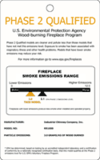
Burn Wise EPABurn Wise is a partnership program of the U.S. Environmental Protection Agency that emphasizes the importance of burning the right wood, the right way, in the right wood-burning appliance to protect your home, health, and the air we breathe. The Burnwise program covers three types of heaters: Woodstoves, Fireplaces and Hydronic Heaters (Outdoor Wood Boilers). "EPA qualified" units …
|

|
ByggvarubedömningenByggvarubedömningen, or BVB, is a building materials assessment tool. It evaluates, proactively and systematically, the contents of a product and of the production process. BVB also provides a common criteria and an evaluation standard based on seven factors:
• Chemical content (declaration of contents)
• Input materials (raw materials)
• The construction phase
• The management …
|
|
C.A.F.E. PracticesCoffee and Farmer Equity (C.A.F.E.) Practices evaluates, recognizes and rewards producers of high-quality sustainably grown coffee for Starbucks stores. C.A.F.E. Practices is a green coffee sourcing guideline with third-party evaluation. C.A.F.E. Practices seeks to ensure that Starbucks sources sustainably grown and processed coffee by evaluating the economic, social and environmental aspects of …
|

|
Calidad GalapagosGalapagos Quality is a seal of quality given to tourism businesses in Galapagos that have voluntarily committed to meeting environmental standards and requirements. This initiatives is aimed at strengthening sustainability practices through tourism services. |
|
California Certified Organic Farmers - CCOFCCOF promotes and supports organic food and agriculture through a premier organic certification program, trade support, producer and consumer education and political advocacy. CCOF offers an expedited organic certification program for farmers and growers that need certification in less than 12 weeks. |
|
Canada OrganicPermitted for use only on those food products certified as meeting the revised Canadian standard for organic production and that contain at least 95 percent organic ingredients. |

|
Canadian Certified Environmental ProfessionalResponsible for the certification of environmental practitioners in Canada. |
|
|
Carbon Care CertificationThe Carbon Care certification offered by Enviro-access recognizes organizations’ efforts to responsibly manage and reduce greenhouse gases (GHGs). Through this certification, Enviro-access confirms that the organization is sensitive to the problem of climate change and proactive in its emissions management. All efforts that are put into quantifying, reducing and offsetting GHG emissions deserve …
|
|
Carbon Footprint of ProductsThe Carbon Footprint of Products (CFP) is a system which displays the carbon footprint of products on the packaging allowing consumers to obtain reliable information about GHG emissions and make informed decisions. The goal of the CFP system is to allow consumers to take the first step towards reducing emissions by promoting the purchase of the products with the lowest carbon footprint. The program …
|
|
Carbon Neutral CertificationA Carbon Neutral Certification is a label given to businesses that offset their Scope 1 and 2 carbon footprint. Verus Carbon Neutral first calculates the carbon footprint of a business wanting to be Carbon Neutral Certified. They then offset the carbon footprint by retiring carbon credits. Offsetting allows businesses to mitigate the greenhouse gases they are unable eliminate through energy efficiencies …
|
|
|
Carbon Neutral Product CertificationCarbon Neutral certification program requires an initial carbon audit in the form of a Life Cycle Analysis - a comprehensive carbon audit which calculates the CO2 emissions used in raw materials, fuel & electricity and waste used in the production and distribution of that product. |
|
Carbon Reduction LabelThe Carbon Reduction Label is a public commitment that the carbon footprint of a product or service has been measured and certified and the owner of the product or service has committed to reduce that footprint over the following two years. The footprint that has been calculated will have been rigorously measured and be comparable based on the PAS2050 standard and Footprint Expert™. This will …
|
|
Carbon Trust StandardThe Carbon Trust Standard is a certification mark of excellence, designed to recognise organisations for real carbon reduction. To qualify, organisations must measure, manage and genuinely reduce their carbon footprint and commit to reducing it year on year. Benefits of achieving the Standard include:
|

|
CarbonCareThe CarbonCare® Labeling Scheme encourages and recognizes the efforts of organizations, entities and groups in tackling climate change in 3 steps we call MRO - Measuring, Reducing and Offsetting carbon footprints. Indicated by the number of leaves, labels of different levels of emissions reduction and/or offset against a defined base year will be awarded to the applying entity. For …
|
|
CarbonFree® CertifiedThe CarbonFree® Product Certification label is aimed at increasing awareness of product emissions and recognizing companies that are compensating for their carbon footprint. The label was created in response to the growing market for eco-friendly products and consumer demand for transparent, credible and readily accessible information at the point of purchase. By determining a product’s carbon …
|
|
CarbonNeutralCarbonNeutral® is the registered trademark of The CarbonNeutral Company and is a global standard to certify that businesses have measured and reduced their CO2 emissions to net zero for their company, products, operations or services. Permission to display the CarbonNeutral mark is only given to clients whose carbon reduction programme is implemented in accordance with The CarbonNeutral …
|
|
|
carboNZeroCertification scheme for organisations, products, services and events, that have measured, managed (reduced) and mitigated (offset) greenhouse gas emissions. |
|
Carrefour Eco-PlaneteThe Group has developed the Carrefour Agir Éco Planète range, which comprises products that are certified (European Ecolabel, FSC, MSC and so on) or which carry an external support. In 2007, the HPC range was extended to include 13 eco-label products marketed in four countries: France, Belgium, Spain and Greece.
The non-food sector also offers Agir
Éco Planète products, …
|

|
CASBEECASBEE (Comprehensive Assessment System for Built Environment Efficiency) is a Japanese assessment and certification tool for buildings that covers:
Four CASBEE assessment tools serving at each stage of the design process
|
|
|
CEMARS (Certified Emissions Measurement and Reduction Scheme)CEMARS certification is for large organisation or large emitting industries to measure their greenhouse gas emissions, put in place plans to reduce them and have both of these steps independently certified.The CEMARS methodology for producing an organisational carbon footprint is aligned with the internationally recognisedGreenhouse Gas Protocol (GHG Protocol) for corporate accounting and reporting …
|
|
|
Cerflor Forest Certification Programme: BrazilCommitted to promoting sustainable forest management through independent third party forest certification. |
|
CertforAdministrator of the Chilean Sustainable Forest Management Certification System. |
|
Certified Australian Southern Rocklobster "CleanGreen" ProgramA product certification program integrating “pot to plate” standards for environmental management, food safety and quality, work place safety and animal welfare. |

|
Certified EnvirodesicThe Envirodesic certification mark is licensed to qualified builders, manufacturers and service-providers whose buildings, products and services meet stringent standards for healthy indoor environments. |
|
Certified Green DealerThe Certified Green Dealer® Program is a program for certifying US green lumber and building material dealerships. The Program consists of a distance-learning and testing system that certifies that lumber dealer personnel are trained in the basics of green building science and green product knowledge. The Program is not affiliated with any particular national standards-setting organization, …
|
|
Certified Green Restaurant®Green Restaurant Association Seal is an ecolabel for restaurants that have committed to sustainability. STANDARDS
|
|
Certified Humane Raised and HandledDesigned to certify that animals raised for dairy, lamb, poultry and beef products are treated in a humane manner. Traceability ensures that that products come from the farms that were inspected.
Under the program, growth hormones are prohibited and animals are raised on a diet without antibiotics. Antibiotics can be used in the treatment of sick animals.
Access to clean and sufficient food and …
|
|
Certified Natural CosmeticsThe makers of the products marked with the BDIH "Certified Natural Cosmetics" seal use natural raw material such as plant oils, fats and waxes, herbal extracts and essential oils and aromatic materials from controlled biological cultivation or controlled biological wild collection.
In addition to the careful selection of raw materials, the ecological impact of each product plays an …
|
|
Certified Naturally GrownCertified Naturally Grown is a grassroots alternative to the USDA's National Organic Program meant primarily for direct-market farmers and beekeepers distributing through local channels such as farmer's markets, roadside stands, local restaurants, Community Supported Agriculture (CSA) programs and small local grocery stores. |
|
Certified Pesticide Residue FreeMeans that products are tested for pesticide residues and sets limits of detection for each specific pesticide residues. However this label does not mean that there were no pesticides used. Certification company SCS requires all farmers, packers and distributors to submit a post-harvest report; full disclosure form; outlining all of the chemicals that are used throughout the shipping and …
|

|
Certified VeganSignifies that products are vegan, defined as containing no animal ingredients or by-products, using no animal ingredients or by-products in the manufacturing process, and not tested on animals by any company or independent contractor. |
|
Certified Wildlife Friendly®Products may be certified by WFEN if:
|
|
CertipurCertiPUR® is a voluntary standard to advance the safety, health and environmental (SHE) performance of flexible polyurethane foams used in bedding and upholstered furniture. The scheme takes into account existing standards and scientific studies related to emanations from foams, product criteria and risk assessments. |
|
CertiPUR-USCertiPUR-US® tests for durability, content and indoor emissions. Home furnishings items, such as upholstered furniture and mattresses, that carry the CertiPUR-US seal contain flexible polyurethane foam products that have been tested and certified by an independent laboratory to meet specific criteria for physical performance, indoor emissions and environmental stewardship. CertiPUR-US …
|
|
China Energy Conservation Program (CECP)A voluntary program aiming to save energy and reduce emissions through stimulating manufacturers to produce more resource efficient products and helping consumers to make more sustainable purchase decisions. |
|
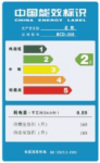
China Energy LabelThis is a compulsory scheme created under the Energy Label Administration Regulation. The primary goal is to save energy, improve energy efficiency, regulate product market, create fair market competition, bring consumer's awareness, and ultimately develop an "energy-saving society". |
|
China Environmental LabellingChina Environmental Label was initiated by SEPA in 1993. It provides environmental standards for construction materials, textiles, vehicles, cosmetics, electronics, packaging, and more. |
|
China Organic Food CertificationThis is an organic food and product label whose mission is to promote the development of organic agriculture and food in China. |
|
|
China Water Conservation CertificationWater conservation label for Industrial Products; Agricultural Products; Residential Products; Unconventional Water Resources Utilization Products (62 different product categories) |

|
CHPS - Collaborative for High Performance SchoolsCHPS is leading a national movement to improve student performance and the entire educational experience by building the best possible schools. CHPS develops tools that help make schools energy, water and material efficient, well-lit, thermally comfortable, acoustically sound, safe, healthy and easy to operate.Resources offered by CHPS include a six-volume best practices manual, training and conferences, …
|
|
Chão VivoChao Vivi is an organic food products and production processes label from Brazil, providing a guarantee of origin and assurance of conformity of organic products with national and international standards. |

|
Clean Marine Green Leaf Eco-Rating ProgramThe Ontario Marine Operators Association (OMOA) along with over twenty marine industry professionals and Ontario’s boaters’ and anglers’ associations formed the Clean Marine Partnership to develop a voluntary program of "Environmental Best Practices" for the marine industry that is recognized as the leader in North America. |

|
Cleaner and Greener CertificationThe Cleaner & Greener program promotes the reporting and offsetting of emissions by companies, organizations, buildings, events and transportation fleets. Participation level of recognition is gained by reporting emissions. Bronze, Silver and Gold certification are achieved based on the percent of greenhouse gas emissions that are offset. Platinum certification is earned by offsetting 100% of …
|

|
Cleaning Industry Management Standard (CIMS)CIMS is an organizational Standard and certification program that applies to management, operations, performance systems, and processes. The Standard is divided into six areas of management best practices: Quality systems; Service delivery; Human resources; Health, safety, and environmental stewardship; Management commitment; and Green Building (GB). Certification demonstrates that a cleaning organization …
|
|
Climate Change ActionThe Climate Change Allies Program helps individuals and companies understand the importance of the contribution they can make to improve the global environment and gives them the tools they need to assume responsibility for the CO2 emissions of their vehicles and their companies.
The certificate given to the companies is for "Actions of green house gasses compensation".
The compensation is through …
|

|
Climate Neutral CertifiedClimate Neutral is an independent non-profit organization on a mission to decrease global emissions through a transparent carbon neutrality certification and consumer-facing product label. In order to earn the Climate Neutral Certified label, companies must measure their Scopes 1-3 emissions, offset them entirely, and implement plans to reduce future emissions. |
|
Climate RegisteredThe Climate Registry is a non-profit organization that sets consistent and transparent standards to calculate, verify and publicly report greenhouse gas (GHG) emissions into a single registry. The Registry offers different levels of certifications, supports both voluntary and mandatory reporting programs, and provides comprehensive data to reduce GHG emissions. The Registry’s …
|
|
ClimatopThe aim of climatop is to label the most climate friendly products and services (best-in-class). Similar products of a product family (functional unit) are compared with respect to their environmental emissions. Products that cause CO2-eq emissions that are generally 20% lower, receive the label. Only products that have an environmental balance, which is at least equal or better than the one of …
|

|
CNET Asia Green TagTech buyers, especially the eco-sensitive, can look out for the CNET Asia Green Tag, awarded to products that have a minimum of two recognized ecolabels. |
|
Compost Label RALThe Compost Quality Assurance Organization was founded in order to monitor the quality of compost and digestate products. Through quality control and support of the producers of compost and digestate products in the marketing and application sectors, the organization aims to promote composting and anaerobic digestion as a key element of a sustainable biowaste management. Bundesgütemeinschaft …
|
|
Compostability Mark of European BioplasticsEnables compostable products to be identified by a unique mark and channeled for recovery of their constituent materials in specially developed processes. The Compostability Mark thus conveys product information to waste-disposal plant operators and product image to consumers. |
|
Compostable: Biodegradable Products Institute LabelThe BPI's Compostable Logo identifies products that meet ASTM D6400 (for plastics) or ASTM D6868 (for fibre based applications) and will compost satisfactorily in large scale composting facilities. |
|
Coop Naturaline: SwitzerlandFor textiles and natural cosmetics made from cotton by controlled biological cultivation according to the guidelines of BIO Suisse or the European Union. It covers the entire textile chain and undertakes additional pollution testing by external labs and Coop quality safety. Companies who produce the textiles certified COOP Naturaline must meet the basic standards of the International …
|
|
|
Cotton Made in AfricaCotton made in Africa is an initiative by the Aid by Trade Foundation and follows the principles of a Social Business helping people to help themselves by means of trade. The initiative operates in accordance with sound business methods to improve the conditions of life of a large number of African cotton farmers. The initiatives approach bases on agricultural trainings to further sustainable …
|

|
Cradle to Cradle Certified(CM) Products ProgramThe Cradle to Cradle Certified(CM) Products Program provides a company with a means to demonstrate efforts in eco-intelligent design. Cradle to Cradle Certification is a third-party sustainability label that requires achievement across multiple attributes:
|
|
CRI Green LabelIn 1992, the Carpet and Rug Institute (CRI) launched its Green Label program to test carpet, cushions and adhesives to help specifiers identify products with very low emissions of VOCs. CRI has recently launched its next series of improvements called Green Label Plus for carpet and adhesives. This enhanced program sets an even higher standard for indoor air quality and ensures that customers …
|
|
CSA Sustainable Forest ManagementThe CAN/CSA-Z809 SFM chain-of-custody label demonstrates that forest products have originated from a forest certified to CAN/CSA-Z809 SFM and have been verified to the Canadian Standards Association (CSA) Chain-of-Custody requirements through an independent third party audit. |
|
CSRR Quality StandardThe Corporate Sustainability and Responsibility Research (CSRR) Quality Standard certifies research corporations that undertake CSR Research. These companies deliver profiles and ratings to the SRI (Social Responsible Investment sector). One of the requirements for passing the standard is covering system or group factors such as quality management systems, HR and complaint management. They …
|
|
Danish Indoor Climate LabelThe Danish Indoor Climate label is a tool for development and selection of indoor air quality friendly products and better understanding of the impact of products and materials on the indoor air quality in buildings. |

|
Danish Ø-markThe designation ‘organic' (økologisk) and the Danish eco-label (the red Ø symbol) may only be used on milk, meats, eggs,cereals, vegetables etc. from farms authorised for organic production.The Department of Organic Farming checks that organic farms complywith the rules applicable to both organic plant and animal husbandry.They inspect enterprises producing or marketing organic feeding stuffs, …
|
|
David Bellamy Conservation AwardEcolabel for holiday parks, caravan and camping sites and park home estates based on specific measures and management criteria. |
|
|
DeclareThe goal of Declare is to position the building product sector within a transparent materials economy. Declare is an ingredients label for building products, paired with an online database. It allows manufacturers to demonstrate their leadership in the marketplace and it provides consumers with honest information for product selection. All products are eligible for inclusion, regardless …
|

|
Degree of Green®The Degree of Green® rating program aims at helping consumers by rating products and explaining those ratings in clear language. At the core of Degree of Green® are data sheets that detail the environmental, health and sustainability attributes of various products. A top rating of 4 goes to products that have:
|
|
Delinat Bio GarantieDelinat Bio Garantie is a product label for the company Delinat, which makes wine from controlled organic production. The Delinat standards are centered around the concept of "biodiversity" and go beyond the general organic standards to include social requirements. The following requirements must be met: -all organic-certified grapes -biological management of the entire …
|
|
Demeter Biodynamic®Demeter Biodynamic® is a certification indicating that Biodynamic farming practices have been used. In an effort to keep the farm, the farmer, the consumer, and the earth healthy, Biodynamic farmers strictly avoid all synthetic chemical pesticides, fertilizers, and transgenic contamination, stressing farm generated, living solutions to pest control and fertility instead, and setting aside …
|
|
Deutsches Güteband Wein (DLG)The DLG quality label German Ribbon of Quality for Wine (Deutsches Güteband Wein) sets quality standards for wine that go beyond the statutory requirements. In addition to sensory demands made of the wine, the label also covers requirements regarding wine growing and further processing of the wine. Wine growing must be pursued in an environmentally sound manner, with restricted use of pesticides, …
|
|
DGNB CertificateThe DGNB Certification System was developed by the German Sustainable Building Council (DGNB) together with the Federal Ministry of Transport, Building, and Urban Affairs (BMVBS) to be used as a tool for the planning and evaluation of buildings in a comprehensive quality perspective. It is designed as a rating system and covers all relevant topics of sustainable construction. Awards within …
|

|
DIN-GeprüftCertification mark for Additives (e.g. printing inks, colours, adhaesives etc.) used for compostable products on basis of EN 13432 / ASTM 6400) also for compostable products e.g. packaging |
|
Dolphin Safe / Dolphin Friendly
The Earth Island Institute monitors tuna companies around the world to ensure the tuna is caught by methods that do not harm dolphins and protect the marine ecosystem. In order for tuna to be considered “Dolphin Safe”, it must meet the following standards:
1. No intentional chasing, netting or encirclement of dolphins during an entire tuna fishing trip;
2. No use of drift gill nets to catch …
|
|
|
DUBOkeurIn 2004 NIBE developed a quality label to compare the environmental friendliness of multiple building products. The DUBOkeur® label is meant to certify the best choices of a product in the fields of environmental and health. In order to do this, the environmental impact of a product in relationship to other products is tested through NIBE’s Twin-model. The most eco-friendly product is …
|
|
e-Stewards Certificatione-Stewards Certification is a global program designed to enable individuals and organizations who dispose of their old electronic equipment to easily identify recyclers that adhere to the highest standard of environmental responsibility and worker protection. e-Stewards Certification is open to electronics recyclers, refurbishers and processors in all developed countries. Certified e-Stewards …
|

|
Earth AdvantageEarth Advantage Institute is a nonprofit organization that works with the building industry to help implement sustainable building practices. The organization provides certification of high performance homes, remodels, sustainable communities and commercial spaces. Their certification programs are designed to provide homeowners and developers with the assurance that their home, community …
|

|
EarthCheckEarthCheck is a benchmarking certification and advisory group for travel and tourism. Since 1987, EarthCheck have helped businesses, communities and governments to deliver clean, safe, prosperous and healthy destinations for travellers to visit, live, work and play. EarthCheck's approach has been to help operators break resource challenges into manageable actions that can be taken forward by management …
|
|
EarthRight Business CertificationThe EarthRight standards are structured to serve as practical and instructive guidelines for organizations interested in taking a proactive, staged approach to improving their environmental stewardship and financial performance. There are three achievement levels: EarthRight Silver, Gold and Green; each increasingly signifies more commitment, stakeholder engagement, and impact reduction achievement. …
|

|
EarthsureThe purpose of the Earth sure program is to provide comprehensive environmental data to purchasers (business and individuals) so that the power of the market can moves the economy towards overall environmental improvement. Earth Sure environmental product declarations (EPDs) can cover a portion of the life cycle of a product or an entire life cycle. Products in any sector can obtain EPDs …
|

|
ECMA-370 - The Eco DeclarationSpecifies environmental attributes and measurement methods for ICT and CE products according to known regulations, standards, guidelines and currently accepted practices. It includes a company environmental profile, and environmental product attributes. |
|
ECO certificationECO certification is an ecolabel given out by the Malta Tourism Authority to hotels on the islands of Malta. Approximately 15% of hotels on the Maltese Islands are ECO certified translating to almost 30% of hotel rooms. To participate, hotels must comply with a number of criteria all aimed at improving their environmental performance and increasing environmental awareness amongst employees. …
|
|
Eco WarrantyEco Warranty is an Environmental Management Standard (EMS) designed as an alternative to ISO 14001. |
|
eco-INSTITUT-LabelWith substantial emission and toxicological testing living up to more than just the legal specifications, eco-Institut supplies clients a reliable and significant label for building products and textiles without any health hazards. |
|
Eco-LeafThe eco-leaf is an environmental product declaration based on a life cycle analysis consisting of three parts:
|
|
Eco-Living sealThe eco-living seal is a private label for Living Direct, an online retail company, specializing inconsumer appliances, indoor air quality products, and lawn and gardenfurniture. the eco-living seal is awarded to products that meet eco-friendly standards and are certified by Energy Star, RoHS, and HEPA. |
|
Eco-Rail MarkLaunched by the Japanese Ministry of Land, Infrastructure and Transport, this ecolabel indicates certified products and companies that actively make an effort to protect the environment through a modal shift to rail transportation. Eco-Rail certified products travels solely on land or, if not, at least 500 kilometers on land and 30% or more of the goods are carried on railways. |

|
Eco-SchoolsA programme for environmental management and certification, and sustainable development education, for schools. |

|
Eco3HomeEco3Home is a label for home furnishings in the USA. Products are manufactured by companies that commit to all three initiatives (health, safety, and environment) to achieve the label. This means they are working to incorporate eco-friendly business practices into:
|
|
EcoBrokerThe EcoBroker logo is a symbol of environmentally responsible and sustainable practices in the real estate industry. EcoBroker Certified real estate agents receive additional training on energy and environmental issues that relate to real estate transactions.
EcoBrokers help sellers effectively market properties with green features, and help buyers find homes with the green …
|
|
EcocertEcocert is a certification body for sustainable development. It is an inspection and certification body established in France by agronomists aware of the need to develop environmentally friendly agriculture and of the importance of offering some form of recognition to those committed to this method of production. From its creation, Ecocert is specialized in the certification of organic agricultural …
|

|
EcoLabel LuxembourgThe EcoLabel is an initiative by the Ministry of Tourism and the Ministry for sustainable development and infrastructure, running since 1999. Ever since, the non-profit organization OekoZenter Lëtzebuerg has been in charge of the environmental counseling of both the businesses aiming to join the EcoLabel initiative and the businesses already part of the network. Up to now, the certificate …
|
|
ECOLOGOThe ECOLOGO Certification Program was aquired by UL Environment, a division of UL (Underwriters Laboratories) in 2010. ECOLOGO Certification is based on multiattribute, life cycle–based standards. All products certified to an ECOLOGO standard must meet or exceed each of the listed criteria before receiving the mark. ECOLOGO Certification is classified as an ISO (International Organization for …
|

|
EcoMark AfricaThe EcoMark Africa ecolabel is currently in development. It will consist of threshold criteria and indicators suitable for the African continent. The standard will be designed in such a way that existing standard systems may be benchmarked against it and accredited certifiers may use it to certify companies against it. In both cases operations that fulfil the requirements of the EMA standard may …
|

|
Ecomark: IndiaA government operated seal of approval program for environmentally preferable consumer products. To increase consumer awareness, the Government of India launched the eco-labelling scheme known as `Ecomark' in 1991 for easy identification of environment-friendly products. The criteria follows a cradle-to-grave approach, i.e. from raw material extraction, to manufacturing, and to …
|
|
EcoMark: JapanThe Eco Mark program serves to promote environment-friendly lifestyles (ecological lifestyles) through wise product choices. A committee composed of academics, governments, consumer groups, and experts from various industries sets standards and carries out the certification. The Eco Mark is awarded to products with relatively less environmental impact compared to similar products, during their entire …
|
|
EcoMaterialEcoMaterial certification provides independent, third-party verification that a material was manufactured using strategies aimed at achieving high performance in human and environmental safety and indoor environmental quality, functional characteristics, water efficiency, energy efficiency, raw materials selection. The principle of the standard is an individual approach to each material, …
|

|
ECOproductECOproduct is a Norwegian method to choose environmentally friendly building materials and chemicals based on information in an Environmental Product Declaration (EPD) or a safety data sheet. The method has been developed in collaboration with several building industry organizations and contractors in Norway. Each product gets a character for Indoor Environment, Health and Environmental …
|
|
EcoproofThe label is for textiles, especially textiles made from cotton. The products have to meet certain criteria throughout their entire life cycle, including environmental performance, the abolition of child labour and a reduction of negative effects on human health. |
|
|
EcoStandard EcoProduct South AfricaEcoStandard South Africa has developed an eco-label referred to as EcoProduct for building materials. The assessment and rating is based on a lifecycle assessment approach in terms of the ISO14024 Environmental labels and declarations — Type I environmental labeling — Principles and procedures in order to provide a holistic assessment of a building product. EcoStandard South Africa’s …
|

|
EcoVillageThe "EcoVillage. Eco-friendly cottage communities" project was implemented in 2006 as an integrated system of environmental certification of low-rise suburban cottage facilities and infrastructure design and construction. The EcoVillage standard was developed to reflect the green requirements and take into account the world experience of "green" low-rise building design and construction. To …
|

|
EffinatureEffinature certification was designed to reverse trend of biodiversity deterioration in the construction sector and raise awareness among town planners about this major issue.
|

|
EKOenergyEKOenergy is a label for electricity, managed by the European EKOenergy network, a network of more than 30 environmental NGOs from over 20 European countries. The EKOenergy label is the only electricity label which has resulted from a pan-European consultation process, which works on the whole European market and which is recognized by stakeholders in all European countries. The first EKOenergy …
|
|
Ekolabel: IndonesiaThis ecolabel is found on retail goods in Indonesia. Criteria are based on scientific technical studies of the products' environmental aspects throughout its lifecycle. |
|
Ekologicky setrny vyrobek / Environmentally Friendly ProductThe ecolabel "Ekologicky setrny vyrobek" is the official registered label of The Czech ecolabelling programme (National Programme for Labelling Environmentally Friendly Products). It was launched on 14. April 1994. The programme is administered by CENIA, Czech Environmental Information Agency. The guarantor of the programme is the Ministry of the Environment.
In 2004 the programme the scope of the …
|
|
EMAS: European Eco-Management and Audit SchemeRecognises and rewards those organisations that go beyond minimum legal compliance and continuously improve their environmental performance. |

|
Emblem of Guarantee of Environmental Quality: CataloniaProvides consumers and users with better, more reliable information and promotes the design, production, marketing, use and consumption of products and services that fulfil certain environmental quality requirements beyond those established as compulsory under current regulations. |
|
EnerGuide for AppliancesEnerGuide for Appliances ecolabel shows how much energy appliances consume in a year of normal service and makes it possible to compare the energy efficiency of each model to others of the same size and class. It has been endorsed under the Canada's Energy Efficiency Regulaitons. Energuide label indicates that appliance meets Canada's minimum energy performance levels. |
|
EnerGuide Rating System (New Homes)An EnerGuide rating shows a standard measure of your home's energy performance. It shows you (and future buyers) exactly how energy efficient your home is. The rating is calculated based on standard operation assumptions so that you can compare the energy performance of one house against another. The home's energy efficiency level is rated on a scale of 0 to 100. A rating of 0 represents …
|

|
Energy Label, Taiwan, ROCTo promote deployment of energy efficiency technologies and application of market incentive mechanism, as well as to encourage manufacturers to invest in research and development of high energy efficiency products |

|
Energy Labelling of Buildings: EUDirective 2002/91/EC on the energy performance of buildings. Member States are obliged to ensure that when buildings are constructed, sold or rented out, an Energy Performance Certificate is made available to the owner or by the owner to the tenant or potential buyer. The certification shall also include advice and information on how to improve energy performance. It concerns such elements as building …
|
|
Energy Rating Programme: AustraliaProvides energy rating information on the energy efficiency of major electrical appliances. |

|
Energy Saving Labeling Program: JapanAccording to the Energy Conservation Law, energy efficiency labeling of designated products is mandatory. The label has to contain the product name, model, energy consumption efficiency ratio and power/fuel consumption.
In this case the label does not require presentation of energy consumption performance parameters for product as a relative comparison with other products but an achievement …
|
|
Energy Saving RecommendedEnergy saving products use less energy and therefore have less of an environmental impact as well as being cheaper to run. The Energy Saving Recommended logo is a quick and easy way to spot the most energy efficient products on the market. |
|
ENERGY STAR: CanadaThe ENERGY STAR logo identifies the most energy efficient equipment for a variety of types of products to guide consumers when they are making purchases. There is a certification logo and also a bilingual promotional logo. |
|
ENERGY STAR: New ZealandENERGY STAR is New Zealand's mark of energy efficiency. It is typically awarded to the top 25 percent most energy efficient appliances, home electronic products and office equipment in each category. It is used in conjunction with minimum energy performance standards and comparative labelling. |
|
ENERGY STAR: USAENERGY STAR is a voluntary government-backed program dedicated to helping individuals protect the environment through energy efficiency. The ENERGY STAR mark is the national symbol for energy efficiency, making it easy for consumers and businesses to identify high-quality, energy-efficient products, homes, and commercial and industrial buildings. ENERGY STAR distinguishes what is efficient/better …
|
|
|
Enviro-Mark®Enviro-Mark's five step programme provides organizations with an environmental management system. It has 5 levels of achievement: Bronze (compliance), Silver (bronze plus identify environmental aspects & impacts, and develop a policy), Gold (silver plus monitoring of continuous-improvement targets and objectives), Platinum (gold plus operational procedures and impact management methods), …
|
|
Environmental Choice New ZealandA voluntary, multiple specifications based environmental labelling programme that operates to international standards and principles. |

|
Environmental Product DeclarationThe overall goal of an Environmental Product Declaration, EPD, is to provide relevant, verified and comparable information to meet various customer and market needs. The International EPD® System has the ambition to help and support organisations to communicate the environmental performance of their products (goods and services) in a credible and understandable way. |

|
Environmental Warrant of FitnessEWOF Site Standard The EWOF Site Standard is the first standard to be launched. This standard was developed to: •Provide recognition for small, single-site businesses •Increase the uptake of formal environmental management participation •Provide consumers and the community with some reassurance about the site based activities of businesses The EWOF Site Standard provides …
|
|
Environmentally Friendly Label: CroatiaThe main objective of awarding the Environmental Label is the promotion of products with a reduced adverse environmental impact as compared to other equivalent products. Awarding of the Environmental Label was established to promote development of new (eg. low-waste) technologies, production and consumption of products less adverse to the environment, pollution reduction and a more economical management …
|
|
Environmentally Preferable Product (EPP) DownstreamThe Composite Panel Association’s (CPA) Environmentally Preferable Panel (EPP) Downstream Program is an easy way for consumers to identify environmentally responsible composite wood products. Products carrying the EPP Downstream logo were manufactured by a company that has demonstrated their environmental commitment by purchasing at least 50% CPA EPP certified composite wood products. …
|
|
|
EnviroStarsEnviroStars is an environmental certification program designed to address hazardous wastes being generated by small businesses in Washington State. EnviroStars is limited to companies generating small quantities of hazardous waste - less than 220 pounds per month - and who accumulate no more than 2,200 pounds of hazardous waste on site at any time. |
|
EPA Lead-Safe CertificationThe EPA mandates that all renovation and repair contractors working in pre-1978 homes, schools, and day care centers who disrupt more than six square feet of lead paint are required to become EPA Lead-Safe Certified in lead-safe work practices. Contractors are required to take a one-day training course and firms must send a short application to the EPA. Those who work on places where children …
|

|
EPA SmartWayEach model year, EPA rates every new car, truck, and SUV for greenhouse gas and smog-forming emissions on scales of 1-10. To earn the SmartWay designation, a vehicle must receive a combined score from both scales that is much better than the average vehicle. SmartWay Elite certification is given to only those vehicles that attain the highest scores on both scales. EPA updates the greenhouse …
|

|
EPEATEPEAT is a global rating system for greener electronics. Using EPEAT (“Electronic Product Environmental Assessment Tool”), purchasers in 43 countries can evaluate, compare and select electronics based on environmental attributes. EPEAT currently includes categories for PCs and Displays, Televisions, and Imaging Equipment (printers, copiers, scanners, multifunction devices, fax machines and mailing …
|
|
|
Equitable Origin CertifiedOur mission is to protect people and the environment by helping to ensure that oil and gas exploration and production is conducted to the highest social and environmental standards. Our vision is to create a new, economically viable paradigm for extractive industries, where nature is protected and local communities benefit socially and economically from production. We envision a world …
|
|
EQUITRADEThe EQUITRADE logo is found on products with raw materials originating from a poor community, and which it also tries to ensure are manufactured, packaged and marketed from there too. |
|
Estonian Ecotourism Quality LabelThis label indicates tourism options which promote local economic development and the conservation of natural and cultural heritage of Estonia. |

|
Estonian Organic FarmingOrganic farming label from Estonia.The label is awarded to producers or handlers whose enterprise has been approved on the basis of the Organic Farming Act. The conditions for using an organic label in the European Union are thesame as those applicable for the national organic label. |
|
|
EthibelForum ETHIBEL promotes ‘Socially Responsible Investing’ (SRI) in the Europe. Forum ETHIBEL encourages dialogue between companies, governments, unions, NGO’s and investors. The search for a fair balance between economic progress, environmental protection, and social justice constitutes the core of so called ‘Corporate Social Responsibility’ (CSR). Forum ETHIBEL provides specific instruments …
|

|
Etichetta ambientaleAssoSCAI has developed the multi-label "Environmental Label AssoSCAI" to assist Italian companies in the correct classification of environmental goods according to ISO 14021 standard. Companies can use this label in B2B transactions to more clearly communicate their environmental credentials, including their current ecolabel qualifications. All points are substantiated through …
|
|
EU EcolabelA voluntary scheme designed to encourage businesses to market products and services that are kinder to the environment and for European consumers - including public and private purchasers - to easily identify them. |
|
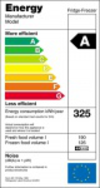
EU Energy LabelBy law, the European Community Energy Label must be displayed on all new household products displayed for sale, hire or hire-purchase. The Directive applies to the following types of household appliances, even where these are sold for non-household uses: refrigerators, freezers and their combinations; washing machines, dryers and their combinations; dishwashers;
ovens; water heaters and …
|

|
EU organic products labelThe organic product label indicates that the product has been grown within sustainable cultivation systems. Foods may only be marked as "organic" if at least 95% of their agricultural ingredients are organic. Organic ingredients in non-organic food may be listed as organic in the list of ingredients, as long as this food has been produced in accordance with the organic legislation. In order to …
|

|
European Computer Manufacturers Association ECMA: TR/70ECMA's TR/70 voluntary product declaration standard identifies and defines the environmental attributes related to ICT (Information and Communication Technology) and CE (Consumer Electronics) products, during their entire life cycle, from conception to end-of-life treatment. The product does not have to comply to fixed requirements, rather the declaration reports the product's performance. |
|
|
European GreenEuropean Green is a label for green electricity based on Guarantees of Origin (GoOs). It is meant to support the transition of European energy supply systems into one unified, interconnected and sustainable energy system so that a sustainable, ecologically sound and future oriented energy supply system for Europe can be established. European Green incorporates a blend of several renewable …
|
|
Fair Flowers Fair PlantsEuropean initiative to encourage production of flowers and plants in a sustainable manner respecting people and the environment. |
|
|
Fair for Life"Fair for life" is a brand neutral third party certification programme for social accountability and fair trade in agricultural, manufacturing and trading operations. The programme complements existing fair trade certification systems Social accountability and fair trade have become important indicators to select business partners in a global market place. Existing systems unfortunately …
|
|
Fair Labor Practices and Community BenefitsSocial responsibility certification to complement Organic Fair Labor Practices and Community Benefits certification – developed by Scientific Certification Systems (SCS) in conjunction with key stakeholders – validates socially responsible practices in agricultural production and processing. Complementing organic and other environmental certifications, Fair Labor Practices is deisgned to meet …
|
|
|
Fair Trade CertifiedFair Trade is a market-based approach to alleviating poverty in ways that improve lives and protect the environment. It's also a mechanism for consumers to know that their products were grown with care, and that farmers and workers were paid better prices and wages, work in safe conditions, protect the environment, and earn community development premiums to empower and improve their communities. |
|
Fair Trade Organization MarkThis mark is available to member organizations that meet the requirements of the World Fair Trade Organisation (WFTO) monitoring system and identifies them as registered Fair Trade Organizations. WFTO is working with Fairtrade Labelling Organisations International (FLO) on a Quality Management System for Fair Trade. |
|
FairtradeFairtrade is an ethical trade system that puts people first. Fairtrade offers farmers and workers in developing countries a better deal, and the opportunity to improve their lives and invest in their future. Fairtrade gives consumers the opportunity to help reduce poverty and instigate change through everyday shopping. When a product carries the FAIRTRADE Certification Mark, it means the …
|

|
FairWertungFairWertung - the German Fair Recycling Federation - is a network of non-profit organisations and social enterprises (many of them church-related) that comply with criteria laid down by FairWertung for a fair collection and marketing of second-hand clothes. FairWertung also has its own label which can be identified easily. Organisations committing themselves to fulfilling these criteria …
|
|
FairWildFairWild aims to provide a worldwide framework for implementing a sustainable, fair and value-added management and trading system for wild-collected natural ingredients and products thereof. FairWild offers a Total Quality Management System to assure buyers that FairWild Certified products are sourced and produced in a socially and ecologically sound way. FairWild encourages sustainable …
|
|
Farm and Ranch Certification ProgramDistinguishes farmers and ranchers who: provide safe and fair working conditions, provide healthy and humane treatment of animals; raise animals without added hormones and antibiotics; raise crops without genetically modified organisms; reduce pesticides usage and toxicity; conserve soil and water resources; preserve and protect wildlife habitat; and, commit to continuous improvement of these practices. |

|
Farm Verified OrganicThe Farm Verified Organic program provides organic certification services to companies and individuals, to enable them to market a credible organic product to the consumer. It is accredited to certify to the US National Organic Program; ISO 65, the Canadian Organic Regime (COR), and IFOAM. |

|
FedEx EarthSmart SolutionsEarthSmart Solutions encourages innovation at FedEx by offering an internal company designation for any of their assets — including planes, trucks and facilities — that meet environmental sustainability criteria. FedEx assets that qualify for the EarthSmart Solutions designation must clearly meet or exceed the sustainability standards set by the company — and they must exceed standard …
|
|
FlorimarkQuality seal of approval for suppliers of flowers and plants - criteria include quality, traceability, environment and social aspects. |
|
|
Florverde Sustainable FlowersEnsures all flowers grown and harvested in Colombia meet specific social and environmental standards. This program is designed to establish a common level of best practices that would improve the lives and living standards of all floral farm workers and their families. In addition to establishing social benchmarks, Florverde standards are meant to preserve and protect the soil …
|
|
Flower Label Program (FLP)Flower Label Program (FLP) is an association carried by human rights organisations, trade unions, flower traders and producers. It guarantees socially and environmentally responsible conditions in worldwide flower production by using the instrument of certification. Producers who produce according to the criteria of FLP standard may sell their flowers with the so called "flower label". This one …
|
|
|
Fly-360-GreenFly-360-Green is a third-party certification program developed by the World Green Aviation Council (WorldGAC) to provide airlines and aircraft operators a common framework for identifying and implementing practical and measurable processes, innovative practices, operations, and maintenance solutions. Fly-360-Green is a performance-based green aviation assessment tool and a benchmark for …
|
|
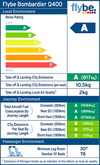
Flybe Aircraft EcolabelFlybe, which is Europe’s largest regional airline, and which has invested over $2 billion in new, environmentally sensitive aircraft over the last two years, has become the first airline in the world to introduce an aircraft eco-labelling scheme. The scheme is in response to the Stern Report’s call for ‘labelling’ to help consumers and businesses make sound decisions.
Under the scheme, …
|
|
Food Alliance CertifiedFood Alliance is a nonprofit organization that certifies farms, ranches, and food processors and distributors for sustainable agricultural and facility management practices. By choosing Food Alliance Certification ensures safe and fair working conditions, humane treatment of animals, and careful stewardship of natural resources. Improved practices in Food Alliance Certified agricultural …
|

|
Forest Garden ProductsAnalog Forestry is a system which seeks to establish analog ecosystems with architectural structures and ecological functions similar to the original climax or sub climax vegetation. It also seeks to strengthen rural communities, socially as much as economically, through the use of species that provide commercial products.
Analog forestry is a complex and holistic form of …
|
|
Forest Stewardship Council (FSC) Chain of Custody CertificationThe Forest Stewardship Council® (FSC) promotes environmentally appropriate, socially beneficial, and economically viable management of the world's forests. FSC® chain of custody (CoC) tracks FSC certified material through the production process - from the forest to the consumer, including all successive stages of processing, transformation, manufacturing and distribution. Only FSC CoC …
|

|
Forest Stewardship Council® (FSC) Forest Management CertificationThe Forest Stewardship Council® (FSC) promotes environmentally appropriate, socially beneficial, and economically viable management of the world's forests. As forest managers or owners, FSC® Certification is a way of ensuring that your careful and long-term forest management is recognized. Certification is voluntary. It involves an inspection of the forest management by an independent …
|
|
Friend of the SeaFriend of the Sea Approved Fisheries:
|
|
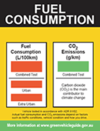
Fuel Consumption Label: AustraliaThe Fuel Consumption Label is an Australian Government initiative to promote consumer demand for vehicles with good fuel efficiency and lower greenhouse impact. All new vehicles up to 3.5 tonnes gross vehicle mass sold in Australia, regardless of fuel or body type, are required to have a Fuel Consumption Label on the front windscreen. This includes passenger cars, four wheel drives and light commercial …
|
|
Future Friendly - Proctor and GambleFuture Friendly is a designation for Proctor and Gamble products that save energy, save water, reduce waste, and or are produced from sustainably-harvested materials. It is a private label such that only P&G products can be awarded the label. |

|
GEO CertifiedGEO is a stakeholder-funded, not-for-profit organization, dedicated to helping the global golf community establish leadership in environmental enhancement and corporate responsibility. GEO Certified is an ecolabel for golf development and course / club management. |
|
GEV-EmicodeFlooring installation materials labelled with the GEV sign EMICODE EC1 ;very low emission; grant the greatest possible protection against indoor air pollution. |

|
Global Good Agricultural Practice (GAP)Global G.A.P. is a private sector body that sets voluntary standards for the certification of agricultural products around the globe. The aim is to establish one standard for Good Agricultural Practice with different product applications capable of fitting to the whole of global agriculture. The standard is primarily designed to reassure consumers about how food is produced on the farm by …
|
|
Global GreenTag CertifiedGlobal Green Tag® is a third party, green product rating and certification system, underpinned by scientific and Life Cycle Assessment (LCA) processes. The program assesses products against worst case business as usual products in the same functional category and with the same functional purpose, based on the following impacts / benefits:
|
|
Global Organic Textile StandardCOMPREHENSIVE RULES FOR ECOLOGICAL AND SOCIALLY RESPONSIBLE TEXTILE PRODUCTION The Global Organic Textile Standard (GOTS) was developed with the aim to unify the various existing standards and draft standards in the field of eco textile processing and to define world-wide recognised requirements that ensure organic status of textiles, from harvesting of the raw materials, through environmentally …
|
|
Global Recycle StandardThe Global Recycled Standard is intended for companies that are making and/or selling products with recycled content. The standard applies to the full supply chain and addresses traceability, environmental principles, social requirements, and labeling. Developed with the textile industry in mind, the GRS may also be applied to products from any industry. |

|
Gold StandardThe Gold Standard distinguishes the highest quality carbon offset projects in the voluntary and compliance environmental markets and is a key policy tool for the NGO community to influence the development of the rapidly growing global carbon markets. Gold Standard projects employ renewable energy and end-use energy efficiency technologies, they are rigorously screened for true environmental benefits, …
|

|
Good Environmental Choice "Bra Miljöval"Referred to as "Good Green Buy" or "Good Environmental Choice" in English. This label focuses on fairly widely used products and services that have a major impact on the environment. The Nature Conservancy began with campaigns for unbleached paper, mercury-free batteries, and environmentally-adapted laundry detergent and has expanded to several other products and services. Before a product …
|
|
Good Environmental Choice Australia (GECA)Good Environmental Choice Australia (GECA) runs Australia's only independent, not-for-profit, multi-sector ecolabelling program and is the only Australian member of the Global Ecolabelling Network (GEN). This certification program develops standards against which products and services can be independently audited by JAS-ANZ accredited conformance assessment bodies (CABs). Standards are developed …
|
|
Good Shopping Guide Ethical AwardThe aim of the Ethical Company Organisation is to set an independent benchmark for corporate social responsibility. The Ethical Accreditation scheme enables companies and brands to display an independently-verified bill of health across the fields of people, animal welfare and the environment. |
|
GoodWeaveGoodWeave is working to end child labor in the carpet industry and to offer educational opportunities to children in South Asia. Through its monitoring and inspections program, GoodWeave is helping to combat the problem of exploitative child labor and to transform the handmade rug industry by certifying child-labor-free rugs and providing education and opportunities to rescue at-risk children. The …
|

|
Green Advantage CertificationGreen Advantage is a non-profit organization committed to delivering an exemplary green building certification for and with construction personnel and building-related practitioners. It promotes green building education and stimulates the use of green building best practices by producing certification standards and assessments for building-related practitioners and organizations. Their …
|
|
|
Green America's Green Business CertificationGreen America's Green Business Certification is a third-party certification program that certifies small to medium sized businesses and offers one of the oldest and most reputable assurance programs for businesses committed to social and environmental responsibility. Certified businesses are: environmentally responsible in the way they source and manufacture products and run their operations and …
|
|
Green Business BureauThe Green Business Bureau's Green business certification is a program that helps companies implement environmentally responsible practices in the workplace and gives them visibility for doing so. Members become certified and recognized for their positive environmental impact. The program has three tiers, depending on points achieved for activities: "aware"; "gold" and "platinum". …
|

|
Green Business League CertificationThe Green Business League certification is awarded to companies that have been audited annually by an accredited GBL Certified Green Consultant™. This is a certification program for Green Businesses that is "Earned, and not Bought." |
|
Green CThe goal of Green C certification is to encourage and recognize green practices among small businesses and organizations operating in the United States, and promote Corporate Social Responsibility (CSR) that preserves and enhances our planet. Green C achieve this goal by encouraging businesses, government agencies, and non-profit organizations to operate in an environmentally efficient manner, through …
|
|
Green Certificate: LatviaAn eco-label affirming environmental quality in vacation properties which save natural resources and use them rationally, offer environment friendly tourist activities, healthy, locally produced food and extensive information on the local natural, cultural and historical attractions. |

|
Green Certified SiteA Green Certified Site™ by CO2Stats indicates that a website's carbon footprint has been calculated and that renewable energy has been purchased to make it carbon neutral. Once signed up, participants are sent a short code snippet to insert into their website which will automatically monitor and neutralize the end-to-end carbon footprint of the website -- not just the servers, but the …
|
|
Green Choice: PhillipinesHeaded by former First Lady Amelita Ramos, CGFI has been pro-actively advocating for environmentally-sound policies, practices, norms and behavior among all segments of Philippine society. |
|
Green Crane: UkraineGreen Crane is a voluntary, multiple specifications based environmental labelling program that operates to international standards and principles. It is awarded to products with relatively less environmental impact compared to similar products, during their entire life cycle, from extracting and collecting the product materials, to the manufacturing, distribution, use and consumption, disposal, …
|

|
Green Dot / Der Grüner Punkt / Grønt PunktThe Green Dot symbol identifies products whose producers are members of the industry-funded system of recycling consumer good packaging. The Green Dot scheme is covered under the European "Packaging and Packaging Waste Directive - 94/62/EC. The Green Dot does not convey any particular environmental attributes of the product itself. |

|
Green Flag ProgramThe Green Flag Program promotes student leadership and activism for the creation of safer and healthier school environments. The Program assists schools to achieve environmental success in the following four issue areas:
|

|
Green Globe CertificationThe Green Globe Standard facilitates responsible and sustainable environmental and social activity; and improved environmental and social outcomes for travel and tourism operations. The Green Globe Standard is a structured assessment of the sustainability performance of travel and tourism businesses and their supply chain partners. Businesses can monitor improvements and document achievements …
|

|
Green GlobesThe Green Globes assessment and rating system for buildings. The Green Globes system is used in Canada and the USA. In the USA, Green Globes is operated by the Green Building Initiative (GBI). In Canada, the version for existing buildings is operated by BOMA Canada under the brand name 'BOMA BESt'. The Green Globes system is used by large developers and property management companies, including, …
|
|
Green Good Housekeeping SealThe Green Good Housekeeping Seal is an emblem signifying that a product has been reviewed by the scientists at the Good Housekeeping Research Institute, is covered by Good Housekeeping’s limited warranty, and has met Good Housekeeping’s environmental criteria. Before a product can apply for the Green Good Housekeeping Seal it must be evaluated by the scientists at the Good Housekeeping …
|

|
Green ITThis label gives an indication of Fujitsu Siemens' product’s green credentials. To achieve a green label, products must fulfil a number of crucial criteria related to production methods, materials, recycling and energy efficiency.
The label uses a simple three-tier system to show how green each product is – ranging from one star through to the highest three-star accolade. …
|

|
Green KeyThe Green Key award is a standard of excellence in the field of environmental responsibility and sustainable operation within the tourism industry. This eco-label represents a commitment by businesses that their tourism establishments adhere to the criteria as stipulated by the Foundation for Environmental Education (FEE). A Green Key stands for an establishment’s promise to its guests that by …
|
|
Green Key Eco-Rating ProgramThe Green Key Eco-Rating Program is a graduated rating system designed to recognize lodging facilities that are committed to improving their fiscal and environmental performance. Based on the results of a comprehensive environmental audit, hotels are awarded a 1-5 Green Key rating and given guidance on how to reduce operating costs and environmental impacts through reduced utility consumption, …
|
|
Green Label: IsraelThe Green Label / Green Mark gives overall assessment of a product's environmental quality relative to other products in its category. The scheme is based on Israeli Standard SI 1738, which is itself based on EU Directive 880/92. |
|
|
Green Leaf Eco StandardThe Green Leaf™ Eco Standard (GLES) is a sustainability and certification assessment tool for the performance management of any international organisation or property. “Eco Standard” is described as an integrated concept which promotes the synergy of environmental, social and economic systems to facilitate behavioural and material adaptations in a business beyond the triple bottom-line. |

|
Green MarkTo promote the concept of recycling, pollution reduction and resource conservation. |
|
Green Office Champions: Seal of Good PracticeThis green business certification is available to clients of Green Workplace who fulfill the criteria, including developing a green procurement policy. |

|
Green Power AustraliaGreenPower is a national accreditation program that sets stringent environmental and reporting standards for renewable electricity products offered by energy suppliers to households and businesses in Australia. It is managed by a consortia of Australian State Government agencies. |

|
Green Products StandardGreen Products Standard helps consumers better understand the growing number of green and eco-friendly products in the marketplace. Their standards take a comprehensive life-cycle view of every product and provide a ranking of degree of 'greenness' explained with a simple symbol and a report. |
|
Green RangeThe mondi Green Range was developed to promote environmentally preferable purchasing. |
|
Green SealAn independent non-profit founded in 1989, Green Seal certifies thousands of products and services that meet science-based environmental standards that are credible and transparent. Green Seal utilizes a life-cycle approach to ensure tangible reductions in the whole environmental footprint. They are ANSI-accredited and meet ISO and GEN requirements. Products only earn Green Seal certification after …
|
|
Green ShapeGreen Shape is VAUDE’s label for products that feature special ecological manufacturing. The criteria for this label are that only products made of at least 90% organic cotton or recycled materials, colored using the VAUDE ecolour dyeing process or made to conform to the textile standard bluesign® earn the Green Shape quality label. |
|
Green Shield CertifiedAn independent, non-profit certification program that promotes practitioners of effective, prevention-based pest control while minimizing the need to use pesticides. Evaluates and certifies both pest control professionals and buildings and facilities that meet high standards of Integrated Pest Management (IPM). |
|
|
Green Star Hotel Certification ProgrammeThe Green Star Hotel (GSH) Certificate for tourist accommodation businesses is awarded to tourist accommodations in Egypt for their commitment to the field of environmentally friendly management and social responsibility. It is a national certification and capacity building programme under the patronage of the Egyptian Ministry of Tourism and has been developed as a public private project between …
|

|
Green Star NZA Green Star NZ certification reflects the commitment and leadership of the building owner to green building practices and environmental performance. Green Star NZ addresses the needs of specific building types, such as office buildings, industrial buildings and education buildings, in the design phase, and following construction (the Built phase). The tools assess the environmental impact that …
|

|
Green TableFounded in 2007, the Green Table Network is a mission-driven enterprise based in Vancouver, BC. Green Table is a growing group of leading restaurant professionals, joined by the people who supply and support them. Members are making a conscious commitment to a shared goal: a deliciously sustainable future. Sustainability is put 'on the menu' through innovative solutions that measurably …
|
|
Green TickIndependent sustainability certification of products, services, and corporations based on a life-cycle audit of performance against the Green Tick Sustainability Standards. GreenTick also certifies for Climate-Friendly, Natural, GE-Free, Organic, and Fair Trader brands. |

|
Green Tourism Business SchemeThe GTBS is the national sustainable tourism certification scheme for the UK & Ireland with over 2400 members. It is the only national certification programme endorsed by the National tourism agencies. Businesses opting to join Green Tourism are assessed by a qualified grading advisor against a rigorous set of 145 criteria, covering a range of areas, including energy and water efficiency, …
|

|
Green-e ClimateGreen-e® Climate is the first and only consumer protection and certification program for retail carbon offsets. It complements project certification programs by ensuring that offset sellers:
|
|
Green-e EnergyThe Green-e Energy certification assures consumers and businesses in the US and Canada that they are reducing the environmental impact of their electricity use. Green-e Energy was established in 1997 in order to provide consumer protection in the emerging and unregulated voluntary renewable energy market through clear guidelines, disclosures, and standards. Green-e Energy is a …
|
|
Green-e MarketplaceGreen-e Marketplace is a unique certification program that recognizes organizations using certified renewable energy and enables them to demonstrate their environmental commitment through the use of the nationally recognized Green-e logo. This certification program lets companies display the Green-e logo on their corporate communications, products and company collateral to communicate their commitment …
|
|
GreenCircleGreenCircle Certified, LLC provides third-party certification of sustainable aspects of products and manufacturing operations. Manufacturers, suppliers, regulators, and consumers can be assured that products labeled with the GreenCircle Certified mark have been thoroughly assessed and their claim verified. By issuing a GreenCircle Certification, GreenCircle Certified demonstrates that it …
|
|
Greener Product Certification SealThe Greener Product Certification Seal demonstrates that a product has been evaluated against the LEED, LEED for Homes and NAHB green building standards using internationally recognized third-party certification organizations, laboratory test results and/or other supporting documentation. Products in twenty four building products categories are evaluated using seven environmental qualifiers …
|
|
GREENGUARDAcquired in 2011, GREENGUARD Certification is now provided by UL Environment, a divison of UL (Underwriters Laboratories). GREENGUARD Certification helps manufacturers create -- and helps buyers identify -- interior products and materials that have low chemical emissions into indoor air during product usage. All certified products must meet stringent emissions standards based on established chemical …
|
|
|
Greenline PrintThe Greenline Print is the first graded carbon footprint label in the print industry, based on a cradle-to-gate PAS 2050 methodology. The calculator quantifies life cycle greenhouse gas emissions of a print run based on your specific order criteria, determines and improves (when possible) the footprint, assigns a grade for the emissions level and generates a unique label for immediate downloading …
|
|
Greenlist - SC JohnsonThe Greenlist™ process is an internal system providing ratings for more than 95 percent of the raw materials we use, including solvents, propellants, insecticides, packaging and more. Through the Greenlist™ process, each raw material receives a rating from 3 to 0, which helps us go beyond regulatory requirements to continually make our products better. An ingredient with a 3 rating is considered …
|
|
GreenPlaTo establish biodegradable plastics technology (GreenPla) and to foster its extensive commercial use. |
|
|
Greenspec PASSGreenSpec PASS identifies and endorses green building materials, products and equipment. The PASS label indicates that a product has been selected and endorsed for its superior environmental qualities. PASS is organised and run by architects and specifiers for the benefit of fellow building designers. |
|
GreenSure - Sherwin WilliamsGreenSure is a designation applied to a line of Shrewin Williams paints and coating products that indicates that they were designed and manufactured taking steps to reduce environmental impact and to meet or exceed the most stringent regulatory requirements. Requirements for architectural products include: VOC limits, aromatic content limits, chemical component restrictions (i.e. excluded …
|

|
GUTThe aim of GUT is to improve continuously all environmental and consumer protection aspects throughout the life cycle of a textile floor covering (from production to installation, to use phase and recycling). |
|
HAND IN HANDPrivate fairtrade program of the company Rapunzel Naturkost GmbH which is a supplier of organic products. From the very beginning of dealing with producers from the Southern countries (the so-called developing countries) not only the quality of the organic products but also the quality of the cooperation with the producers was important for us. The primary aim of Rapunzel Naturkost …
|

|
Healthy Child Healthy WorldRecommends products and services focused on children and family environmental health and non-toxic lifestyle solutions. Recommended products and services must meet baseline quality standards, and be approved through a screening and data collection process. Screening considers human health, environmental health, and social responsibility. Final approval is based on products holding …
|
|
|
HKN NEU100HKN NEU100 is a label/standard for green electricity based on Guarantees of Origin (GoOs). HKN NEU100 is intended to promote new production facilities for renewable energy sources and to help ensure that the expanding reservoir of renewable energy production facilities is actually incorporated into the energy supply system and its development. 100% of the GoOs used come from new facilities …
|
|
Home Depot Eco OptionsEco Options labeled products have less of an impact on the environment than conventional products and provide a positive environmental change through their use. |
|
Hong Kong Eco-label香港环保标签是一种evincive一种标签的产品或产品包装,标志,可以证明,不仅在产品质量好,而且还确认的某些环境要求在生产过程中,使用和回收,均优于节约能源,减少毒害,破坏环境的并行产品。香港环保标签是一种产品认证类型的验证,如果该产品的环保性能确认有关对环境protectio技术标准 A …
|
|
Hong Kong Green Label (HKGLS)The HKGLS is an independent, non-profit-making and voluntary scheme for the certification of environmentally preferable products launched in December 2000 by Green Council (GC). The scheme sets environmental standards and awards "Green Label" to products that are qualified regarding their environment performance. As with all eco-labelling programs, the aim is to encourage manufacturers …
|

|
HQEThe HQE ® label aim to improve environmental quality of new and existing buildings. Certification of building owners that proves higher environmental quality of buildings they comission. It applies to various kinds of buildings - individual and multistory, residential and commercial. |
|
Hungarian Ecolabel / Környezetbarát Termék VédjegyHungarian national ecolabel developped by the Ministry of Environment in 1994. Goals and procedures meet the requirements of ISO 14024 standard. |

|
ibex fairstayDepending on their engagement for and performance in sustainable development, accommodation enterprises are certified by ibex fairstay as either Bronze, Silver, Gold, or Platinum. The label controls a hotel’s achievement in the 5 dimensions:
|
|
|
IBOThe label is given for building materials and interior which fulfil strict environmental criteria which comprise the whole life-cycle of the product. |
|
IBU Type III Environmental Declaration (IBU Environmental Product Declaration)This is a Type III declaration for building products. It is based on ISO 14025 as well as ISO 21930 and EN 15804 and declares environmental information on a pass/fail basis. It is meant to identify properties of building products that are relevant to the environmental performance of buildings, and it is based on a Life Cycle Assessment. There are currently 96 declaration holders that together …
|
|
ICMA EcoLabel Standard ProgramThe International Card Manufacturers Association (ICMA) EcoLabel Standard Program provides a determination of the environmental performance of a manufacturer’s transaction and identification cards through a third-party ecolabeling certification program. The current ICMA EcoLabel criteria include:
|

|
IMO CertifiedThe Institute for Marketecology (IMO) is an international agency for inspection, certification and quality assurance of eco-friendly products. For more than 20 years, IMO has been active in the field of organic certification but it is also active in the sectors of natural textiles, sustainable forestry, and social accountability monitoring. |

|
India Organic - National Programme for Organic Production (NPOP)The national programme involves the accreditation programme for certification bodies, norms for organic production, promotion of organic farming. The NPOP standards for production and accreditation system have been recognized by European Commission and Switzerland as equivalent to their country standards. Similarly, USDA has recognized NPOP conformity assessment procedures of accreditation as equivalent …
|
|
Indoor Air ComfortEurofins "Indoor Air Comfort" product certification is an innovative tool for showing compliance with low VOC emission requirements from construction products and furniture of all relevant European specifications on two levels: Standard level "Indoor Air Comfort - certified product" shows compliance of product emissions with all legal specifications issued by authorities in the European Union.
Higher …
|
|
Indoor airPLUSEPA created Indoor airPLUS to help builders meet the growing consumer preference for homes with improved indoor air quality. EPA developed additional construction specifications to help improve indoor air quality in new homes. Construction specifications include the careful selection of and installation of moisture control systems; heating, ventilating, and air-conditioning systems; combustion-venting …
|
|
International Eco Certification ProgramThe ECO Certification program assures travellers that certified products are backed by a strong, well managed commitment to sustainable practices and provides high quality nature-based tourism experiences. It has three levels: Nature Tourism - tourism in a natural area that leaves a minimal impact on the environment; EcoTourism: tourism in a natural area that offers interesting ways …
|

|
International Organic and Natural Cosmetics Corporation BDIH StandardThe aim of the BDIH Standard is to define the term natural cosmetics in a factually correct and comprehensible way and to create transparency to benefit the consumer. In addition, it is intended to allow fair competition between the manufacturers and distributors of natural cosmetics. The standard specifies requirements relating to how the ingredients used in the cosmetics should be obtained and …
|
|
IPM StarThe Integrated Pest Management (IPM) Star Certification Program recognizes IPM practitioners who meet a high standard for IPM in schools, childcare centers and school-age programs. IPM STAR certification is a voluntary step that clearly establishes your IPM competence in a way that is readily recognized by others both in and outside of your community. |

|
Japanese Agricultural Organic Standard (JAS)The JAS Standards for organic plants and organic processed foods of plant origin were established in 2000 on the basis with the Guidelines for the Production, Processing, Labelling and Marketing of Organically Produced Foods which were adopted by the Codex Alimentarius Commission. The organic JAS system has been further developed with the addition of the JAS Standards for organic livestock …
|
|
|
JustThe International Living Future Institute’s™ JUST™ program is a voluntary disclosure program and tool for all types and sizes of organizations. The program provides an transparency platform for organizations to reveal much about their operations, including how they treat their employees and where they make financial and community investments. This approach requires reporting …
|
|
Korean EcolabelThe Korea Eco-Products Institute carries out various operations related to improvement in eco-products and product environmental friendliness by setting up the eco-product standards, building an evaluation system, offering eco-products & environmental trend information to the public, facilitating production of eco-products, and constructing the eco-product consumption system. |
|
KravKrav develops organic standards, inspects to these standards and promotes the KRAV label. The label is a tool to implement “The goal of organic production ” into the entire chain of custody from production of raw materials to the consumer (for food and other agricultural products). Standards encompass many factors so that the entire production system and the surrounding environment …
|
|
Label STEPThe fair trade label STEP is awarded to handmade carpet dealers who commit to fair trade standards, including ensuring fair conditions of production; paying fair prices to ensure fair wages; fighting abusive child labour; promoting ecologically viable production methods; and authorizing independent verification. The label is not applied to individual products but to import companies and …
|

|
Lao OrganicLao Organic Standards give producers, traders and consumers a common definition of organic products. |
|
LEAFLeaders in Environmentally Accountable Foodservice (LEAF) helps restaurants realize their sustainability potential & recognizes them for doing so. LEAF-certified restaurants serve local, organic food, reduce their energy and water use, use environmentally-preferable supplies, reduce consumption and waste, and much, much more. LEAF certification is only available through on-site …
|
|
LEAF MarqueThe LEAF Marque brings you food produced by farmers who are committed to improving the environment for the benefit of wildlife and the countryside. Our mission enables farming that enriches the environment and engages local communities Everyone can be involved with LEAF, farmers, the food chain and the consumer. |

|
Leaping BunnyCompanies certified through the Coalition for Consumer Information on Cosmetics' (CCIC) Leaping Bunny Program make a voluntary pledge to eliminate animal testing from all stages of product development. The companies’ ingredient suppliers make the same pledge and the result is a product guaranteed to be 100 percent free of new animal testing. All Leaping Bunny companies must recommit to the program …
|
|
LEED Green Building Rating SystemsThe Leadership in Energy and Environmental Design (LEED) Green Building Rating System™ encourages and accelerates global adoption of sustainable green building and development practices through the creation and implementation of universally understood and accepted tools and performance criteria. |
|
LEED Professional CredentialsLEED Professional Credentials distinguish building professionals with a thorough understanding of green building practices and principles and the LEED Green Building Rating System. There are now two categories of LEED Professional Credentials: LEED Green Associates; and LEED Accredited Professionals. The LEED Green Associate credential is intended for professionals who want to demonstrate green …
|

|
Legambiente TurismoEco-tourism label for Italy for any type of tourist accommodation business. Since 1997 Legambiente Turismo has worked to help tourist businesses to reduce tourist impacts in the destination and raise awareness in holiday makers, while enhancing quality and comfort and involving local businesses and tourists in more sustainable choices.
The ecolabel aims to improve environmental management in tourist …
|
|
Lembaga Indonesia EkolabelThe Indonesian Ecolabelling Institute (LEI-Lembaga Ekolabel Indonesia) is a non-profit constituent based organization that develops forest certification systems that promote our mission of just and sustainable forest resource management in Indonesia. They develop forest certification schemes and monitoring systems for natural …
|
|
levelThe level® brand identifies that a furniture product has been evaluated to the multi-attribute ANSI/BIFMA e3 Furniture Sustainability Standard by an independent, third-party certifier. level has three conformance thresholds. Products can be awarded a level 1, level 2, or level 3 conformance mark based on the combined score achieved in their sustainability evaluation. level® was created …
|
|
LFP CertifiedLocal Food Plus is a non-profit organization working to build a local sustainable food system that benefits all stakeholders. The LFP certification system helps consumers to identify farmers who commit not only to ecologically responsible production, but who also commit to offering safe and fair working conditions, providing healthy and humane care for livestock, protecting and enhancing wildlife …
|
|
|
LIFE CertificationLIFE Institute is a non-governmental organization headquartered in Curitiba-Brazil which acts internationally. Its mission is to recognize and add value to private and public organizations that develop and implement initiatives for the conservation and preservation of biodiversity. The goal of LIFE Institute is to promote the conservation of biodiversity through mechanisms that encourage the business …
|
|
LIVE (Low Input Viticulture and Enology)LIVE is a non-profit organization providing education and independent 3rd-party certification for vineyards and wineries using international standards of sustainable viticulture and enology practices in wine-grape and wine production. IOBC (the International Organization for the Biological and Integrated Control of Noxious Animals and Plants) sets the protocols from which LIVE draws its …
|
|
|
LowCO2 CertificationFor businesses operating in circumstances which deem carbon neutrality unrealistic, the option for Low CO2 certification is available. The organisation still undertakes a greenhouse gas audit; however it is focused only on the operational impacts of the business, rather than all related emissions. |
|
Luomu Sun SignDenotes controlled organic production. The official label of the Finnish inspection authorities; owned by the Ministry of Agriculture and Forestry. |
|
Luomuliitto - The Ladybird labelIt is granted to farmers, food processors and farm input manufacturers who produce organic products according to the standards of Luomuliitto. The standards require a certified quality control system and that at least 75 per cent of the ingredients of the labeled products are of Finnish origin. |
|
M-BRIO Organic and Food LabelingOrganic food labelling program in Indonesia, accredited by IFOAM. |

|
M1 Emission Classification of Building MaterialsEMISSION CLASSIFICATION OF BUILDING MATERIALS (M1)
The aim of the classification is to enhance the development and use of low-emitting building materials so that material emissions do not increase the requirement for ventilation. The classification presents requirements for the materials used in ordinary work spaces and residences. For air-handling components there is a separate Cleanliness Classification …
|
|
Marine Aquarium Council (MAC) CertificationThis label works to conserve coral reefs and other marine ecosystems by creating standards and certifications for those engaged in the collection and care of ornamental marine life from reef to aquarium. MAC Certification covers both practices (industry operators, facilities and collection areas) and products (aquarium organisms). |

|
Marine Stewardship CouncilThe MSC fisheries standard has 3 overarching principles that every fishery must prove that it meets: Principle 1: Sustainable fish stocks The fishing activity must be at a level which is sustainable for the fish population. Any certified fishery must operate so that fishing can continue indefinitely and is not overexploiting the resources. Principle 2: Minimising environmental impact
Fishing …
|
|
|
MAS Certified GreenMAS Certified Green is a registered trademark to delineate low VOC emitting products in the marketplace. Purchasers and Specifiers of those products are ensured that they can earn credits in sustainability programs like USGBC-LEED, California Department of Public Health, and the Collaborative for High Performance Schools program. Only products that pass stringent MAS testing criteria can display …
|

|
Max HavelaarThe Max Havelaar Foundation awards a quality label to products that have been produced according to principles of fair trade. Through fair trade, it contributes to improving the living and working conditions of small farmers and agricultural workers in disadvantaged regions. The Max Havelaar Foundation is a member of the Fairtrade Labelling Organizations International (FLO) and complies with their …
|

|
Migros ECOLabel for textiles that guarantees that no substance likely to cause allergies or irritation, or to be harmful to the environment has been used throughout the manufacturing chain. It also attests to environmental preservation and workforce health and safety. The Eco-Guidelines are based on four principles:
1) Protect the environment: mitigate environmental problems in producing countries
2) …
|

|
Milieukeur: the Dutch environmental quality labelMilieukeur is the Dutch environmental quality label for products and services. There are Milieukeur criteria for a wide variety of food products, consumer products and services, ranging from vegetables, potatoes, fruit, beer, pork, trees and plants to concrete products, fire extinguishers, florists, butchers, green electricity and car washes. The Milieukeur criteria relate to the entire …
|

|
MinergieMINERGIE is a label for new and refurbished low-energy-consumption buildings indicating comfort made possible by high-grade building envelopes and the continuous renewal of air. The following requirements must be met:
|

|
Minergie-AMINERGIE-A is a label for new and refurbished low-energy-consumption buildings that seek "Nearly zero-energy Buildings" according to the EU guidelines 2010/31. It also takes into account the building gray energy, unlike MINERGIE and MINERGIE-P standards. The following requirements must be met:
|

|
Minergie-ECOMINERGIE ECO is a label for new and refurbished low-energy-consumption buildings that addresses ecological and social requirements. It can be combined with MINERGIE, MINERGIE-P, and MINERGIE-A, which are standards that focus more on energy consumption. Health requirements:
|
|
Minergie-PMINERGIE-P is a label for new and refurbished low-energy-consumption buildings that seeks an even lower energy consumption than the MINERGIE Standard. The following requirements must be met:
|

|
NAHB Certified Green ProfessionalThe National Association of Home Builders’ (NAHB) Certified Green Professional™ and Master Certified Green Professional (Master CGP) designations recognizes builders, remodelers and other industry professionals who incorporate green building principles into homes. The basic designation requires 24 hours of NAHB-approved training, and additional continuing education every three years. …
|
|
NAHB GreenNational Green Building Certification is a green residential standard from the National Association of Home Builders (NAHB) and approved by the American National Standards Institute. It's applicable for new and remodeled single-family and multifamily homes as well as residential subdivisions. Projects can be scored on a point basis to the Bronze, Silver, Gold or Emerald level, each one …
|
|
National Carbon Offset StandardThe Australian Government introduced the National Carbon Offset Standard (NCOS) on 1 July 2010 to provide national consistency and consumer confidence in the voluntary carbon market. The standard serves two primary functions – it provides guidance on what is a genuine voluntary offset and sets minimum requirements for calculating, auditing and offsetting the carbon footprint of an organisation …
|
|
National Programme of Environmental Assessment and Ecolabelling in the Slovak Republik (NPEHOV)National environmental labelling scheme - Environmental friendly product- is adapted by Act No.469/2002 on environmental labelling of products as amended by later provisions. Its aim is to promote development of production and consumption of products that have impact on lowering of negative impacts on environment, energy consumption and consumption of raw material and hazardous substances, …
|
|
Nationwide House Energy Rating SchemeNatHERS enables the design of a home to be assessed by skilled professionals using sophisticated computer modeling programmes to improve the quality of design and achieve building approvals in Australia. NatHERS sets national standards for professionals offering assessment services as well as the software they use. Zero stars means the building shell does practically nothing to reduce the discomfort …
|
|
Natrue-LabelThe Natrue-Label is a guarantee for cosmetic products. Their goal is to promote and protect natural beauty and skin care products. Any product with the Natrue label is intended to be as natural as possible, using natural and organic ingredients, soft manufacturing processes and environmentally friendly practices. |

|
Naturally SephoraNaturally Sephora offers a line of beauty products which must meet a certain standard by excluding certain ingredients from their products. The term "natural" is not fully regulated and every brand has its own definition. Sephora has created an internal logo to help you spot the products carried at Sephora that have been formulated with and without certain ingredients. |
|
Nature's Best EcotourismNature´s Best certifies ethical, high quality nature tours in Sweden. It was developed by travel associations, land owners, nature conservation associations, non profit organisations, public authorities, tourist companies and institutions. |
|
Nature's PromiseAll Nature's Promise Organic products represent what nature intended and nothing more. Nature's Promise meets USDA certification requirements and deliver great taste while fully respecting the environment. Nature's Promise has a mission of creating a line of products which not only respects the environment but delivers high quality food for your family's health and well-being. |

|
NaturemadeSymbol for renewable energy sources and applications. Has two levels: Naturemade Star (ecological energy) and Naturemade Basic (renewable energy) Programme is supported by environmental and consumer organizations, renewable energy associations, major energy consumers and large, medium and small energy suppliers and producers. |
|
natureplusNatureplus is an international label of quality for sustainable building and accommodation products, tested for health, environmental-friendliness and functionality. The label’s primary aim is to provide consumers as well as architects, tradesmen, building companies and all those involved in construction, with a reliable orientation aid towards sustainable products i.e. environmentally-friendly …
|
|
Naturland e.V.Naturland –Association for organic agriculture is a private certification body and an organic farmers association. Since 1982 Naturland promotes organic agriculture throughout the world and is currently active in 50 countries (state of December 2010). With its 53,000 farmers and over 500 manufacturers as Naturland partners, it is one of the major organic farming associations. Naturland …
|
|
NATURTEXTIL Best"Naturtextil BEST" is a holistic standard. It values environmental and social criteria along the whole textile pruduction chain. Main requirements are: 100% certified organic fibers, restricted fiber prosessing methods (bleaching, chlorination, mercerization etc.), limited range of dyes and auxiliaries, no input of hazardous substances (e.g. formaldehyde, PCP, TCP, heavy metals, AOX and many more), …
|
|
|
NeulandDas Neuland-Zeichen kennzeichnet Fleisch und Fleischprodukte, die aus einer artgerechten und umweltschonenden Nutztierhaltung stammen. Die Kennzeichnung beruht auf Richtlinien, die Kriterien über die Haltung, Fütterung, Transport etc. enthalten. Der Schwerpunkt der Richtlinien liegt auf einer artgerechten Tierhaltung. |
|
|
NF-Environnement MarkA voluntary certification mark issued by AFNOR Certification. To be issued the NF Environnement mark the product must comply with ecological and fitness for purpose criteria. These criteria are the result of negotiations between representatives of manufacturers, consumer, environmental protection and distributor associations and public authorities. |

|
Nike Considered DesignNike Considered Design is a sustainable line of shoes introduced by Nike, Inc. The line utilizes materials found primarily within 200 miles (320 km) of the Nike factory which reduces the energy used for transportation, diminishing the resulting climate change impact. The manufacturing process reduces solvent use by more than 80% compared with Nike’s typical products. The leather comes from a tannery …
|

|
NoCO2NoCO2 takes into account 100% of emissions generated from all aspects of your business operation. Any business displaying the NoCO2 logo is certified as 100% carbon neutral. |
|
Non-GMOThe non-GMO seal means that a product has been produced according to rigorous best practices for GMO avoidance, including testing of risk ingredients. The Non-GMO Project is the only organization offering independent verification of testing and GMO controls for products in the U.S. and Canada. |

|
Nordic Ecolabel or "Swan"Demonstrates that a product is a good environmental choice. The "Swan" symbol, as it is known in Nordic countries, is available for 65 product groups. The Swan checks that products fulfill certain criteria using methods such as samples from independent laboratories, certificates and control visits. Each Nordic country has local offices with the responsibility for criteria development, …
|

|
NPA Natural SealAll products with the NPA Natural Seal use at least 95 percent natural ingredients, excluding water. They also must meet strict processing requirements. Certified products can display the NPA Natural Seal. More than 700 products and ingredients have been certified natural. All NPA-certified products have been audited and verified to fit the Natural Seal by an independent third party. …
|
|
NSF Sustainability Certified ProductThe NSF Sustainability Certified mark is available to products that meet conformity assessment to a NSF/ANSI or other national or international sustainable product standards. Use of the NSF Sustainability Certified Mark is granted once certification has been completed through product evaluation, conformity assessment against standards and protocols, and production systems review. The …
|
|
NSF/ANSI 140 Sustainability Assessment for CarpetThis standard for carpet includes a rating system with established performance requirements and quantifiable metrics throughout the supply chain for: public health and environment; energy and energy efficiency; bio-based, recycled content materials; environmentally preferable materials; manufacturing; and reclamation and end-of-life management. |
|
NSF/ANSI 332 Sustainability Assessment for Resilient Floor CoveringsThis standard provides a a framework by which to evaluate and certify sustainability of Resilient Flooring products across their entire product life cycle. NSF/ANSI 332 employs a point system to evaluate resilient flooring against established prerequisite requirements, performance criteria and quantifiable metrics in the areas of product design, product manufacturing, long-term value, end-of-life …
|
|
NSF/ANSI 336: Sustainability Assessment for Commercial Furnishings FabricThis NSF ecolabel addresses the environmental, economic and social aspects of furnishing fabric products, including woven, non-woven, bonded and knitted fabrics used for upholstery (e.g. office and hotel furniture), vertical (e.g. drapery or panel systems fabric) and decorative top of bed applications (e.g. bedspreads) commonly used in institutional, hospitality and office settings. The standard …
|
|
|
NSF/ANSI 342 Sustainability Assessment for Wallcovering ProductsThis is a standard by which to evaluate and certify sustainability of wallcovering products across their entire product life cycle. Based on life-cycle assessment principles, NSF/ANSI 342 employs a point system to evaluate wallcovering products against established requirements, performance criteria and quantifiable metrics in the areas of product design, product manufacturing, long-term value, end-of-life …
|
|
Ocean WiseOcean Wise works directly with restaurants and markets, ensuring that they have the most current scientific information regarding seafood and helping them make ocean-friendly buying decisions. The Ocean Wise symbol appears on menus, display cases, and products making it easier for consumers to make environmentally friendly seafood choices. |
|
OE-100 & OE-BlendedLabels being phased out in 2014 and replaced by Organic Content Standard (OCS). Organic Exchange has two standards:OE 100: Certifies products made with 100% organic fiber that have been tracked through the production chain and segregated to prevent commingling with other fibers. OE Blended: Applies to all goods that …
|
|
Oeko-Tex Standard 100The Oeko-Tex Standard 100 is a globally uniform testing and certification system for textile raw materials, intermediate and end products at all stages of production. The certification covers multiple human-ecological attributes, including harmful substances which are prohibited or regulated by law, chemicals which are known to be harmful to health, but are not officially forbidden, and …
|
|
|
OK biobasedOK biobased label offers a comprehensive guarantee about the origin of your products. On a basis of the determined percentage of renewable raw materials (% Bio-based carbon), your product can be certified as one-star-bio-based, two-star-bio-based, three-star-bio-based or four-star-bio-based. |
|
|
OK biodegradable SOILThe OK biodegradable SOIL label is a guarantee a product will completely biodegrade in the soil without adversely affecting the environment. |
|
|
OK biodegradable WATERProducts certified for OK Biodegradable WATER guarantee biodegradation in a natural fresh water environment, and thus substantially contribute to the reduction of waste in rivers, lakes or any natural fresh water. Note that this does not automatically guarantee biodegradation in marine waters. |
|
|
OK CompostPackaging or products featuring the OK Compost label (based on European standard EN 13432: 2000) are guaranteed as biodegradable & compostable in an industrial composting plant and applies to all components, inks and additives. Any product featuring the OK compost logo complies with the requirements of the EU Packaging Directive ( 94/62/EEC). |
|
|
OK Compost HOMEOK compost HOME guarantees complete biodegradability in the light of specific requirements, in home garden compost heaps. |

|
OK PowerÖko-Institut, the World Wide Fund for Nature (WWF) Germany and the Consumer Agency NRW have set up the association ‘EnergieVision e.V.’, which issues the ‘ok-power’ label in Germany. |
|
On-Pack Recycling LabelThe On-Pack Recycling Label (OPRL) scheme (http://www.onpackrecyclinglabel.org.uk//) operates in the UK to provide a standard consumer recycling label, which is simple, consistent, evidence led and provides sufficient information to make it easy for consumers to recycle more packaging, more often. Over 145 brands and retailers are using the labels on over 75,000 product lines; the cornerstone …
|
|
|
ORC-Cert Organic SealThe ORC-Cert awards certificaties of organic certification to the producers and processors that meet the 'ORC-Cert - Organinc Production and Processing Standard'. There are three grades of standard - Organic Produce or Products with not less than 95% of organic ingredients; Products with not less than 70% but not more than 95% of organic ingredients; and Products produced from farmland that applied …
|
|
Oregon TilthThe purpose of organic certification is to ensure that the agreed upon conventions of organic agricultural systems are being practiced not only by growers, but also by all the people who handle and process organic food, feed and fiber on its journey to the consumer. As an accredited certifier, Oregon Tilth certifies to the USDA National Organic Program (NOP) standards. The NOP provides a …
|
|
Organic Content Standard (OCS)A voluntary chain of custody standard that provides companies with a tool for third-party verification that a final product contains the accurate amount of a given organically grown material. Each organization along the supply chain must take sufficient steps to ensure the integrity and identity of the input organic material. It does not address the use of chemicals or any social or environmental …
|
|
Organic Farmers & Growers CertificationOrganic Farmers & Growers label indicates product meets UK Department for Environment, Food and Rural Affairs (Defra) regulations for organic production and processing in the UK. |
|
|
Organic Food ChinaMission is: Ensuring human health and protecting ecological environment through promoting sustainable agriculture. |
|
Organic Food FederationCertification of Organic operations and products. |

|
Paper ProfilePaper profile is environmental product declaration for professional paper buyers. Paper Profile enables the paper buyer to make well informed product choices, by presenting figures on essential environmental parameters in an uniformed way for specific products. It is a voluntary environmental product declaration scheme developed and provided by leading paper producers. |

|
PassivhausPassivHaus is a certification for super-energy efficient buildings meeting the code developed by the PassivHaus Institute in Germany, and administered in Canada, Germany, UK and US. A Passive House is a very well-insulated, virtually air-tight building that is primarily heated by passive solar gain and by internal gains from people, electrical equipment, etc. Energy losses are minimized. …
|

|
Per il ClimaThe "Per il clima" program offers a voluntary carbon footprint label to inform consumers about the amount of greenhouse gas emissions generated by products or services during one or more phases of their life cycle. The rules for the calculation are defined by a document (PAS 2050) made by the British Standards Institute. The weight of CO2 on the label may be the result of two different paths:
a …
|

|
Phillips Green LogoPhilips products that have a Green logo offer customers, users and society an environmental improvement of at least 10% in one or more of the Philips Green Focal Areas:
|
|
Planet PositivePlanet Positive is a mark of accreditation to the Planet Positive Protocol. The Protocol requires four steps: measuring, reducing, acting and reporting on GHG emissions. Planet Positive certifies businesses, products, events or people commit to taking positive action by either donating to community projects, or offsetting into verified carbon projects. Businesses and organisations …
|
|
|
Preservando El Medio Ambiente (Preserving the Environment)Private label for wine grown in spain according to ecological principles and life cycle environmental aspects - including using solar & biomass power in production plants, and recycling of process wastewater. |
|
Processed Chlorine FreeProcessed Chlorine Free (PCF) audits require a chain of custody for all raw materials, measures the impact of a manufacturing process on the environment: water and energy use, chemistry, carbon gas releases, reviews environmental policy and permit compliance, reviews ethical management practices and compliance, financial performance, product stewardship, public information, funding of research and …
|
|
Programme for the Endorsement of Forest Certification (PEFC) schemesThe Programme for the Endorsement of Forest Certification (PEFC) is an international non-profit, non-governmental organization dedicated to promoting Sustainable Forest Management (SFM) through independent third-party certification. It works throughout the entire forest supply chain to promote good practice in the forest and to ensure that timber and non-timber forest products are produced with …
|

|
Protected HarvestProtected Harvest is an eco-label with the stated mission of helping farmers meet environmental standards that yield high quality products and preserve healthy land for future generations. The Protected Harvest parent company, SureHarvest, provides technical support and collaborates with qualified organizations to develop region– and crop– specific verifiable environmental performance …
|

|
QCS OrganicQCS offers organic certification accredited by the USDA National Organic Program and USDA ISO Guide 65. They certify farming, wildcrafting, livestock, processing, packing, and handling operations. QCS also certifies a diverse array of organic operations regardless of type, location, or size. |
|
R-2000 CertificateR-2000 is a voluntary, performance-based standard for new homes, which goes beyond building codes. The technical requirements involve three main areas of construction: energy performance, indoor air quality and environmental responsibility.
R-2000 homes must operate within a specific energy budget, based on the characteristics of the home and the climate conditions where it's built. Typically, …
|
|
R2/RIOS Certified Electronics RecyclerR2/RIOS is a certification for companies that recycle electronics in an environmentally friendly manner. A Certified Electronics Recycler must implement and be certified to two standards: R2 and RIOS. The Institute of Scrap Recycling Industry’s integrated program is designed to help recyclers improve their operations and meet the emerging needs of the marketplace. Responsible Recycling …
|

|
Rainforest Alliance CertifiedThe Rainforest Alliance Certified™ seal ensures that a product comes from a farm or forest operation that meets comprehensive standards that protect the environment and promote the rights and well-being of workers, their families and communities. Products that carry the green frog seal include coffee, tea, chocolate, fruit, ready to drink beverages and juices, flowers, paper and tissue products, …
|
|
RecognisedThe Recognised® eco-label identifies environmentally preferable commercial cleaning products. Recognised® products have undergone independent third-party scientific assessment against a multiple-criteria Standard. Recognised® covers, but is not limited to, the following products for use in commercial applications: hard surface cleaning products including general purpose cleaners, …
|
|
RECS International Quality StandardThe 'RECS Good Practice' label certifies electricity from renewable sources as a product to be supplied and/or as a product to be consumed. Since electricity cannot be tracked in the electricity market the sources and the consumption must be certified. An auditing and verification process, based on tradeable green certificates, guarantees the quality of the product and excludes double selling and …
|

|
Recycled ContentGeneric symbol used to show recycled content; also sometimes used to indicate that the product can be recycled. Does not mean that the product has been certified. In the US, the Federal Trade Commission gives the following guidance: A recycled content claim may be made only for materials that have been recovered or otherwise diverted from the solid waste stream, either during the manufacturing …
|
|
|
RenewablePLUSRenewablePLUS is a label for green electricity based on Guarantees of Origin. It features a guaranteed investment either in completely new facilities and/or in expanding existing facilities and/or in environmental measures related to renewable energy production. RenewablePLUS is climate neutral, which means that all related greenhouse gas emissions are offset by use of emission reduction …
|
|
|
Rhode Island Certified OrganicThe Plant Industry Section of the Division of Agriculture and Resource Marketing administers the Rhode Island Organic Certification Program, by which qualified crops producers and handlers in the state are certified as growing and handling/processing produce organically. |

|
Roundtable on Sustainable BiomaterialsThe Roundtable on Sustainable Biomaterials is an international initiative, which develops and implement the RSB Global Sustainability Standard, a global standard for sustainable production, conversion and use of biomass. The RSB Standard is de to demonstrate sustainable production of all derivatives from biomass, including biofuels, bioenergy, bio-plastics, bio-packaging, food additives, bio-chemicals, …
|

|
RSPO Certified Sustainable Palm OilRoundtable on Sustainable Palm Oil (RSPO) Certification is a seal of approval that the palm oil used in the product is produced sustainably and volumes are traceable. Producers are certified through strict verification of the production process by accredited ceritifying agencies and may be withdrawn at any time on infringement of the rules and standards. The certified sustainable palm oil (RSPO …
|
|
RTRS Certified SoyRTRS Certified Soy is an ecolabel that certifies soy, soy derivatives and soy products along the supply chain, including flows of material and associated claims. RTRS is a global platform made up of the main stakeholders of the soy value chain with the common objective of promoting the production of responsible soy through cooperation and open dialogue with the parties involved for making …
|
|
|
Safe Agri-Food ProductThis ecolabel certifies pollution free agricultural products. |
|
Salmon-SafeSalmon-Safe is an Oregon-based nonprofit that certifies urban and agricultural operations based on the protection of water quality and native biodiversity. Founded by a leading U.S. river and native fish conservation organization, Salmon-Safe has certified more than 400 West Coast farms, vineyards, dairies, corporate campuses, and other sites based on riparian habitat protection, elimination of …
|
|
SCS Certified BiodegradableSCS Biodegradable Certification applies to liquid products such as cleaners, degreasers, detergents, and soaps. The Biodegradable Certification is designed to verify that products degrade safely and efficiently under worst-case circumstances and prevent chemicals from entering the environment at a rate that
could reach harmful concentrations before degradation can occur. To be certified biodegradable, …
|
|
SCS FloorScore®FloorScore® is a certification for commercial and residential hard-surface flooring products and flooring adhesives. Developed in conjunction with the Resilient Floor Covering Institute, products must comply with indoor air quality and VOC emission requirements set by California Section 01350, and meet rigorous quality management standards in manufacturing. Certification and documentation help …
|

|
SCS Indoor AdvantageSCS Indoor Advantage certifications demonstrate that products meet indoor air quality standards pertaining to emissions that may be harmful to human health and the environment. SCS Indoor Advantage applies to furnishings and qualifies for the BIFMA furniture emissions standard, while SCS Indoor Advantage Gold certification applies to furniture plus a broader range of interior building materials …
|

|
SCS Recycled ContentSCS Recycled Content Certification recognizes products made either in whole or part from recycled waste material in place of virgin raw materials. The percentage of post-consumer or pre-consumer recycled content is reported in compliance with Federal Trade Commission guidelines and ISO standards. The certification process includes company auditing and supply chain verification.
Certification and …
|
|
SCS Sustainable ChoiceSustainable Choice certification ensures that carpet products meet measurable environmental performance and social responsibility criteria for continuous improvement. The certification is based on the internationally recognized standard NSF/ANSI 140 Sustainable Carpet Assessment Standard (2010).
Sustainable Choice is awarded on three certification levels (Silver; Gold; Platinum) through points achieved …
|
|
SeaChoiceSeaChoice is a program of Sustainable Seafood Canada that produces sustainable seafood advisory lists. The program is designed to raise consumer awareness about the importance of buying seafood from sustainable sources. They publish consumer guides for responsible seafood purchasing. SeaChoice evaluates fisheries based on habitat/ecosystem impacts, stock status, inherent vulnerability, …
|

|
Seafood SafeThe Seafood Safe label is given to seafood companies, retailers or restaurants whose seafood contains safe consumption levels of mercury and PCBs. Businesses interested will undergo a confidential pre-assessment, which will include the development of a customized testing regime based upon the intricacies of their particular products. Once the pre-assessment is complete and if the business …
|

|
SEE What You Are Buying IntoSEE What You Are Buying Into is a labelling scheme for businesses that are open and honest about their Social, Environmental and Ethical (SEE) policies and practices. To use the SEE Logo, a company completes the SEE Questionnaire, developed in collaboration with leading NGOs. Businesses guarantee the accuracy and veracity of their responses and publish them on the SEE What You Are Buying …
|

|
SFC Member SealThe Sustainable Furnishings Council (SFC) Member Seal is a label representing those companies which have made a public and verifiable commitment to sustainability and to improvement. These companies are involved in the home furnishings industry. The Exemplary status is voluntary - all members make a public & verifiable commitment to sustainability, to transparency, and to continuous improvement. |
|
|
Shipping Efficiency - A to G GHG Emission RatingThe A-G GHG Emissions Rating provides a systematic and transparent means of comparing the relative theoretical efficiency and sustainability of the existing fleet of approximately 70,000 existing ships (including the majority of the world's container ships, tankers, bulk carriers, cargo ships, cruise ships and ferries) by measuring a ship’s theoretical CO2 emissions per nautical mile travelled. …
|
|
Singapore Green Label Scheme (SGLS)The Singapore Green Labeling Scheme (SGLS) aims to help the public identify environment-friendly products that meet certain eco-standards specified by the scheme and seeks to encourage the level of eco-consumerism in Singapore as well as to identify the growing demand for greener products in the market. The scheme hopes to encourage manufacturers to design and manufacture with the environment in …
|

|
SIP CertifiedThe Sustainability in Practice (SIP) Certification program offers consumers a way to ensure that the wines they enjoy are coming from vineyards and companies fully committed to protecting natural and human resources. Developed in 2008 by the Vineyard Team and based on over 20 years of work in sustainable farming, the SIP Certification program encompass the many interrelated elements of the whole …
|
|
SIRIM CertifiedUnder SIRIM QAS International Eco-Labelling Scheme, a product will be independently tested and verified against preset criteria before the organisation is allowed to use SIRIM QAS International’s Eco-Labelling mark on its product, packaging and promotional materials. SIRIM QAS International’s Eco-Labelling mark is a marketing tool which will enable a company to position its product as …
|

|
Skal Eko SymbolA process and product certification for agricultural products originating from organic production methods. The regulations for organic production consists of European and Dutch legislation and regulations by Skal. |

|
SMaRT Consensus Sustainable Product StandardsSustainable Materials Rating Technology or SMaRT, is the consensus sustainable products standard and label for building products, fabric, apparel, textile & flooring, covering over 80% of the world’s products with environmental, social, & economic criteria. It is the result of 17 years of standardization with six national votes of consensus approvals involving thousands of professionals. SMaRT …
|

|
Smart WaterMarkSmart Approved WaterMark is Australia's water saving labelling program for products and services which are helping to reduce water use. The Smart WaterMark label is licensed to be used on products which have been approved as water saving by an independent Technical Expert Panel. Criteria include:
|
|
Soil Association Organic StandardOrganic certification for farmers, growers, food processors and packers, retailers, caterers, textile producers, health and beauty manufacturers and importers, in the UK and internationally. |

|
SourcemapSourcemap.com supports sustainable decision-making through our platform for supply chain transparency, where producers share detailed information about their processes with their buyers and their buyers’ buyers, all the way to the end consumer. A Sourcemap ecolabel points to information on a product's components and their origins, as well as optional environmental and social footprints. The information …
|

|
Spiel GutThe label indicates that a toy has been tested in accordance with the following criteria: play value, material, workmanship, durability, safety, child-adequate size, quantity and design, quality of user instructions, suitability for different age groups etc. Environmental aspects are also considered such as detailed controls on pollutants such as cadmium, PVC and softeners. |
|
|
STARSThe Sustainability Tracking, Assessment & Rating System (STARS®) is a self-reporting framework for colleges and universities to gauge relative progress toward sustainability. Each STARS rating is an indication of sustainability leadership; Campuses can use a STARS logo with their rating level on their website and print materials. The STARS rating means that an institution has gone …
|
|
|
State of Utah Organic Certification ProgramThis program is intended to serve producers, processors and consumers of agricultural products. The goal is to manage a process that will maintain the integrity of food products produced without the use of restricted chemical imputs. |
|
Stemilt Responsible ChoiceThe Stemilt label indicates that fruit has been produced under the Responsible Choice Program - program certifies fruit orchards and the packing / handling of that fruit for integrated pest management (IPM) . Stemilt uses the Responsible Choice label to represent all that is done in the land to conserve water, reduce inputs and promote good fruit production in a safe manner. Stemilt also …
|

|
SundaHus MiljödataSundaHus Environmental Data is an environmental assessment of products used in construction and buildings. The core of the system is a database of substances, materials and products. The product assessment is based on the provider's documentation of the product together with the rules of the Swedish Chemical Inspectorate's PRIO criteria and EU REACH Directives. The assessment is …
|
|
Sustainable Agricultural NetworkThe SAN awards the Rainforest Alliance Certified eco-label to farms (not companies or products). Farmers may apply for certification for all land in production and companies may request that all of their source farms be certified. Certifies farms for coffee, bananas, cocoa, orange, pineapple, flower and fern farms according to environmental and social standards.
Some smaller …
|
|
Sustainable Forestry Initiative (SFI)The SFI program has on-product labels to help customers and consumers identify exactly what they are buying: three SFI chain of custody labels and one SFI certified sourcing label.
|

|
Sustainable Green Printing PartnershipThe mission of the Sustainable Green Printing Partnership is to encourage and promote participation in the worldwide movement to reduce environmental impact and increase social responsibility of the printing industry through certification and continuous improvement of sustainability and best practices within manufacturing operations. The SGP Partnership recognizes the following sustainable …
|
|
Sustainable Tourism Education Program (STEP)The Sustainable Tourism Education Program, or STEP, is a sustainability management program designed by the tourism industry. STEP is based on a framework that measures all aspects of sustainability for tourism businesses and serves as a practical tool for assessment, benchmarking and education. Participating businesses learn how to manage their triple bottom line more effectively by discovering …
|

|
Sustainable Winegrowing New ZealandSustainable Winegrowing New Zealand provides the framework for companies to continually work towards improving all aspects of their performance in terms of environmental, social and economic sustainability in both the vineyard and the winery. |
|
SustentaXSustentaX is a Brazilian ecolabel that assists consumers to identify sustainable products, materials, equipments and services. Products with the SustentaX Seal are evaluated for their quality and human safety. Manufacturers must prove their social, environmental and marketing responsibilities. The independent verification process for the SustentaX Seal is based on ISO 14024. |
|
Swiss Q-labelSwiss Q-label certification scheme is a member managed, independent and self-governing legal association, who owns and manage the development, administration and maintenance of the Swiss PEFC scheme. |
|
TCO CertifiedTCO Certified is an international sustainability certification for IT products and includes a wide range of criteria ensuring that the manufacturing, use and recycling of IT products is carried out with regard to environmental and social responsibility. TCO Certified combines requirements for social responsibility at the facilities where the product is manufactured, user safety and ergonomic …
|
|
TerraCycleTerraCycle runs national waste collection programs in 10 countries where non-recyclable post-consumer waste (used candy wrappers, tooth brushes, pens, juice pouches and many other categories of waste) is collected and made into new products and materials. The TerraCycle logo informs a consumer that the product or package is no longer waste, and can be collected and sent (postage paid) to TerraCycle. …
|
|
Texas Certified Organically ProducedUnder the Organic Certification Program, TDA inspects and certifies organic farms as well as processors, distributors and retailers of organic food and fiber. To be certified, all must comply with organic growing and handling standards established by the USDA National Organic Program (NOP). In exchange for this compliance, participants may use a marketing logo identifying their products as certified …
|
|
Thai Green LabelThe Green Label is an environmental certification awarded to specific products that are shown to have minimum detrimental impact on the environment, in comparison with other products serving the same function. The Thai Green Label Scheme applies to products and services, not including foods, drinks, and pharmaceuticals. The Thai Green Label Scheme was initiated by the Thailand Business …
|
|
Timberland Green IndexThe Timberland "Green Index" is a measure of the environmental impact of their products. The goal is to provide consumers with visibility into the footprint Timberland creates. Timberland products are rated on a scale of 1 to 10 using a system created to measure environmental footprint from raw materials to the finished product. The lower the score, the lower the environmental footprint. Three …
|
|
Totally Chlorine FreeWe believe that no matter where a product is being manufactured that we can measure the impacts on the environment using a on a Sustainability Index = Environmental Policy + Environmental Management + Mill Process + Forestry Certification + Environmental Risk Management + Product Stewardship + Public Information + Environmental Compliance + Employee Recognition. We also know that by eliminating …
|
|
TRA Certification – Green Modular and Manufactured HomesTRA certifies manufacturers of Modular and Manufactured Homes using the ANSI ICC 700-2008 National Green Building Standard. The label indicates compliance with all aspects of the standard excluding site factors. The TRA Green Certification program includes a directory of suppliers that supply the manufacturer with construction material, electrical, cooling, heating, plumbing, floors, etc; …
|
|
TRA Certification – Green Recreational Vehicles (RVs)TRA certifies manufacturers of components for Recreational Vehicles (RVs) using the ANSI ICC 700-2008 National Green Building Standard. The TRA Green Certification program includes a directory of suppliers that supply the manufacturer with construction material, electrical, cooling, heating, plumbing, floors, etc; and highlights those suppliers who have been Verified Green. |
|
Tunisia EcolabelThe Tunisian ecolabel is a Type 1 national ecolabel established by decree in 1997. It was created in order to facilitate the access of Tunisian products and services to the European and International markets. The technical and ecological criteria for the certification of textile products and tourism accommodation services are established while Agro-food products criteria are under development. |
|
|
TÜV Rheinland CertifiedTÜV Rheinland is a leading international technical service provider. Our goal is to be the world’s best independent provider of technical services for testing, inspection, certification, consultation and training. TÜV Rheinland provides services and certifications in a broad range of sectors, some of which include environmental considerations. |
|
|
TÜV SÜD Mark EE01/EE02Requirements for Product EE01 are: 100% of the energy supplied is from renewable sources. At least 30% of the amount of energy supplied is generated in new power stations. Price surcharges are used for building new renewable sources of energy. Requirements for Product EE02 are:
100% of the energy supplied is from renewable sources.
Simultaneous generation and consumption in quarter-hour …
|
|
U.S. EPA Safer ChoiceThe U.S. EPA Safer Choice program (previously U.S. EPA Design for the Environment Program) advances EPA's mission to protect human health and the environment. The program uses EPA's chemical knowledge and resources to carefully evaluate products and to label only those that have met the program's leadership standard. By allowing use of the logo on products, EPA empowers consumers and commercial …
|
|
UK Fuel Economy LabelThe Low Carbon Vehicle Partnership's voluntary label shows how much of the greenhouse gas carbon dioxide a vehicle emits and relates that figure to the vehicle tax that must be paid. |
|
UL Energy Efficiency VerifiedUL (Underwriters Laboratory) provides a service for the verification of products that meet the appropriate requirements for energy efficiency and which are also Listed or Recognized by UL. Through UL's Energy Efficiency Certification Program, manufacturers can show consumers, competitors, and regulators that their products are helping lower energy demand. Products must comply with the appropriate …
|
|
|
UL Environment Multi-Attribute CertificationEnvironmental Product Certifications tell the story of a product’s environmental performance throughout its lifecycle, enabling purchasers to identify holistically greener products and meet their sustainability goals. These voluntary, multi-attribute, lifecycle-based environmental certifications indicate that a product has undergone rigorous scientific testing, exhaustive auditing, or both, to …
|
|
|
UL Environmental Claim ValidationEnvironmental claim validations are agents of assurance, providing independent proof that products are exactly as they claim to be. Underwriters Laboratory (UL)'s Environmental Claims Validation (ECV) service and label, tests a manufacturer’s product and validates that the environmental claims they make in their marketing and packaging materials are factual. Claims validated include: recycled …
|
|
|
Umwelt-EtiketteThe Swiss ecolabel "Umwelt-Etikette" labels paints and coatings and comprises 7 classes from A to G. Class A labels paints and coatings have the highest standards with regard to environmental friendliness and user friendliness. This Swiss ecolabel facilitates the selection of environmentally compatible and suitable products. |
|
UPS Carbon NeutralThe UPS Carbon Neutral shipping label indicates that UPS customers have offset the climate impact of the GHG emissions produced by the transportation of that shipment. UPS calculates the emissions and purchases carbon offset credits equivalent to the GHG emissions created in shipping the package to make it "carbon neutral". GHG emissions are tracked using the Carbon Neutral Protocol - a …
|

|
UPS Eco Responsible Packaging ProgramThe Eco Responsible Packaging Program was established for UPS's business customers to demonstrate their commitment to sustainable packaging. Companies participating in this program allow UPS to conduct an evaluation of transportation packaging processes (i.e. the shipping container and internal material such as peanuts, Kraft paper, film, foam, etc.). It does not evaluate the product's …
|
|
US Composting Council Seal of Testing AssuranceThe US Composting Council’s Seal of Testing Assurance Program (‘STA’) is a compost testing, labeling and information disclosure program. The program requires participants to regularly test their compost products for a range of characteristics and properties, and to make this information available to all who request it. |
|
USDA Certified BioBasedUSDA BioBased is a federally administered and run label that is based on the BioPreferred program created by the 2002 US Farm Bill to increase the purchase and use of biobased products. The 2008 Farm Bill (Food Conservation and Energy Act of 2008) expanded the existing preferred purchasing program for federal sector and reauthorized the voluntary labeling program for the broad scale consumer marketing …
|
|
USDA OrganicThe U.S. Department of Agriculture has put in place a set of national standards that food labeled must meet, whether it is grown in the United States or imported from other countries. Organic meat, poultry, eggs, and dairy products come from animals that are given no antibiotics or growth hormones. Organic food is produced without using most conventional pesticides; fertilizers …
|
|
UTZ CertifiedSustainability is important for everyone. After all, our future is at stake. In order to be able to make a substantial contribution to sustainability, UTZ CERTIFIED has adopted a practical approach, working together with existing brands. The manufacturers of these brands need raw materials on a large scale – raw materials that are produced by farmers in developing countries. By increasing the …
|

|
Verified Carbon StandardThe Verified Carbon Standard provides a global standard and program for approval of credible voluntary offsets. "VCS offsets must be real (have happened), additional (beyond business-as-usual activities), measurable, permanent (not temporarily displace emissions), independently verified and unique (not used more than once to offset emissions)." (Source: v-c-s.org) Developed by The …
|
|
VeriFloraVeriFlora is a sustainability certification program for cut flowers and potted plants. It is administered by Scientific Certification Systems (SCS), a third-party certifier of environmental, sustainability and agricultural product quality claims. It is accredited under ISO/IEC Guide 65, the international standard for third-party product certifiers. The VeriFlora label indicates flowers and …
|
|
Vermont Organic CertifiedThis certified organic label is found on products grown or raised in Vermont which meet the standards of the USDA National Organic Program. |
|
ViabonoCertifies accommodation businesses, destinations and other tourism businesses in Germany. Viabono’s prerequisite for “natural enjoyment” is an intact environment and natural world, plus a high-quality tourist product. |
|
Vitality Leaf"Vitality Leaf" was developed by the Russian NGO Non-profit partnership Ecological Union in 2001, is officially registered, open and clear for all potential participants. Member of the Global Ecolabelling Network since 2007. Certified member of the Global Ecolabelling Network’s Internationally Coordinated Ecolabelling System (GENICES) since 2011. Criteria for certification …
|
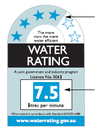
|
Water Efficiency Labelling & Standards (WELS) SchemeThe WELS water-rating label provides water efficiency information for water-using household products. The mandatory rating system is similar to the energy rating labelling, with six stars. By choosing to use more water-efficient products in the home, Australians will save water and cut down on water and energy bills. |
|
Water Efficiency Product Labelling SchemeThe Water Efficient Product Labelling Scheme is a voluntary Scheme run by the industry association The Bathroom Manufacturers Association (BMA). It is open to all companies who manufacture or sell product in the United Kingdom that meets the criteria for water efficiency products as defined by technical experts within the United Kingdom bathroom Industry. The purpose of the scheme is to encourage …
|
|
Water Lily: LithuaniaEcolabel for various products. |

|
WaterSenseProducts bearing the WaterSense label are generally 20% more water-efficient than similar products in the marketplace and must be independently certified before qualifying for the label. |
|
Waterwise MarqueThe Marque is awarded annually to products which reduce water wastage or raise the awareness of water efficiency in the U.K. |
|
Whole Trade™ GuaranteeThe products in this Wholefoods Market program must meet specific criteria that demand quality in four areas of responsibility: meets quality standards, provides more money to producers, ensures better wages and working conditions for workers, and Cares for the environment. Whole Foods works with TransFair USA and the Rainforest Alliance to ensure the transparency and integrity of the program. …
|
|
Wholesome Food AssociationThe Wholesome Food Association local symbol scheme is a low-cost, grassroots alternative to organic certification for people in the UK who are growing or producing food for sale in their local region. Members of the WFA who abide by our food production standards and sell their produce locally are entitled to use our quality symbol to certify their production methods. |
|
|
Wildlife Habitat Conservation CertificationWildlife Habitat Council (WHC) Conservation Certification recognizes wildlife habitat management and conservation education programs. Successful Wildlife Habitat Council Conservation Certification programs are designed to provide benefits to communities, increase employee morale, further sustainability goals, and strengthen relationships with stakeholders. |
|
WindMadeWindmade™ is a consumer label identifying products and companies using wind energy. WindMade™ is dedicated to increasing corporate investments in wind power by informing consumers about companies’ use of wind energy, and increasing demand for products that embrace this clean and renewable energy source. To use the WindMade label for their communications or products, WindMade members …
|
|
Windows Energy Rating Scheme (WERS)WERS rates the energy impact of windows in housing anywhere in Australia.The Window Energy Rating Scheme enables windows to be rated and labelled for their annual energy impact on a whole house, in any climate of Australia.Rated windows carry a label which certifies that the window has been rated by the Australian Window Association. The window's cooling and heating performance is rated separately …
|
|
|
Woodnet Forest Certification Scheme: BelgiumWoodNet is the Belgian member of the PEFC Council. PEFC - the Programme for the Endorsement of Forest Certification - whose standards seek to transform the way forests are managed globally – and locally - to ensure that all of us can enjoy the environmental, social and economic benefits that forests offer. |

|
WQA Gold SealThe Water Quality Association’s Gold Seal Certification Program is dedicated to providing public health and safety services throughout the USA and globally, while maintaining expert service, superior reputation, and fair pricing. The Gold Seal Program offers certification of all products and chemicals that contact drinking water. WQA's ANSI/SCC accredited Gold Seal Certification Program assures …
|
|
WQA Sustainability MarkThe WQA Sustainability Mark is awarded to those drinking water treatment products which have been WQA certified in accordance with "WQA S-803: Sustainable Drinking Water Treatment Systems,” as a service to the industry and consumers. This certification means that production of the listed drinking water treatment systems has been audited and evaluated by the Water Quality Association, …
|

|
WSDA OrganicProtects consumers and supports the organic food industry by ensuring the integrity of organic food products through establishing organic standards and certifying organic producers, processors, and handlers. The program provides technical information about organic food production and assists in the development of markets for the organic food industry. |

|
ZQ Natural FibreZQ Natural Fibre fibre combines natural performance wool with an accreditation program that ensures environmental, social and economic sustainability, animal welfare (non-mulesed) and traceability back to the source. |
|
ÖkoControlThe ÖkoControl Label is given to furniture, bedding or mattresses made of natural, sustainable materials after strict tests made by independent and accredited test laboratories. It's a label guaranting the low output of dangerous emissions. |

|
ÖkoPLUSThe ÖkoPLUS standard for climate neutrality and sustainability is based on Verified Emission Reductions (VERs) that are derived from a selection of the most sustainable climate protection projects with the greatest carbon saving impacts, located in the countries where they are needed most. The VERs are used for offsetting products, processes and/or services. The ÖkoPLUS standard for VERs …
|

|
Österreichisches Umweltzeichen (Austrian Ecolabel)The Austrian Ecolabel addresses itself primarily to consumers but also to manufacturers and public procurement. The ecolabel provides consumers with guidance in order to choose products or services with least hazardous to the environment or health. The ecolabel draws the consumers attention to aspects of environment, health and quality (fitness for use). |

|
Ø-label: NorwayAims to safeguard Norway's organic future. All providers of organic products in Norway are part of Debio's inspection scheme, which includes all activities from farm to table. Debio's regular inspections ensure that products meet the requirements for marketing organic products under the Norwegian "Ø-label", which certifies organic production. |



Ecolabel Index, the global directory of ecolabels, is brought to you by Big Room Inc..
We also operate .eco, a new web address for those committed to positive change for the planet. Get your own .eco domain name today.
© 2026 Big Room Inc. All rights reserved.